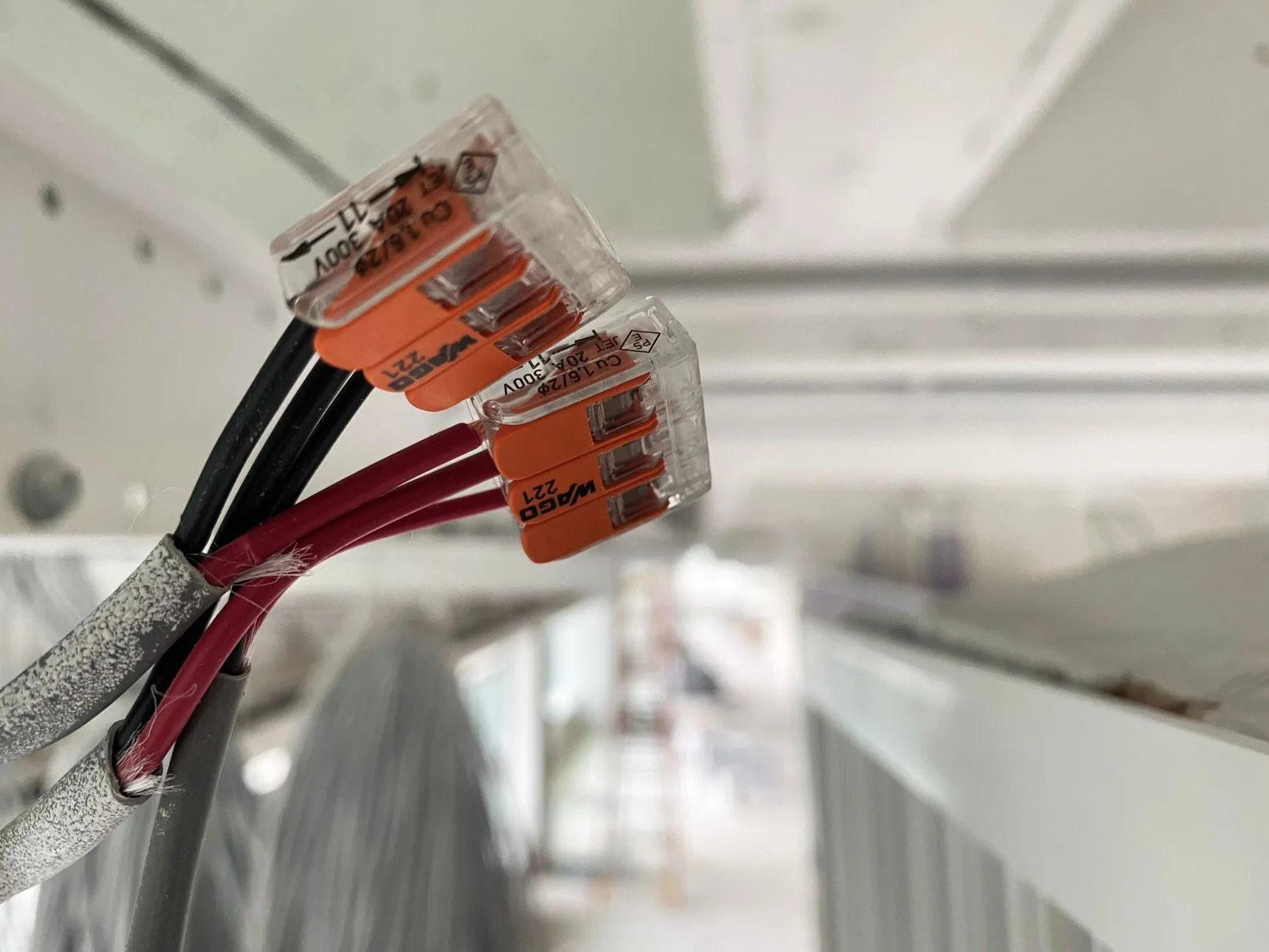
When shoppers look for the best wire connectors for safe installations, they are usually trying to solve a simple problem with high stakes: make a connection that holds, stays insulated, and does not turn into a headache later. That might mean a quick LED strip repair, a home appliance project, an automotive wiring job, or a larger electrical task where clean routing matters as much as the connection itself. The common mistake is choosing the fastest-looking connector without checking wire gauge, conductor type, or whether the design actually fits the job.
Safety starts with compatibility, but convenience matters too. The right connector should be easy to terminate correctly, offer a secure grip, and keep exposed copper to a minimum. Different buyers will prioritize different things. A DIYer may want the easiest tool-free design, while a more experienced installer may care more about fit range, locking strength, or how neatly the connector sits inside a crowded box. In this roundup, the overall standout is the Double Wire Lock-Grip Connector because it balances speed, a tidy footprint, and broad low-voltage usefulness without getting overly complicated.
If you are short on time, the comparison table below gives a quick way to size up the leading options before you dive into the full reviews.
Quick Answer
Best overall: Double Wire Lock-Grip Connector. It is simple, compact, and well suited to small-gauge low-voltage installs where a clean finish matters.
Best for broader household wiring: XHF 31PCS Conductor Compact Connectors. The wider gauge range gives it more flexibility than most low-voltage-only options.
Best for bulk projects: 150 Pcs Double Wire Plug In Connector. The larger count makes sense for repeated lighting, craft, or model work.
Best budget pick: 50Pcs Double Wire Plug In Connector. It keeps costs down while still covering the core use case well.
Best Wire Connectors For Safe Installations Comparison Table
| Product | Best For | Key Strength | Wire Range / Pack Size |
|---|---|---|---|
| Double Wire Lock-Grip Connector | Compact low-voltage installs | Neat, easy, and practical for small-gauge work | 22-18 AWG, 20 pcs |
| XHF 31PCS Conductor Compact Connectors | Broader household wiring tasks | Wide compatibility and reusable lever design | 28-12 AWG, 31 pcs |
| 40 PCS Quick Connect Wire Connectors | LED strips and tidy low-voltage jobs | No-strip setup with secure locking | 18-22 AWG, 40 pcs |
| Double Wire Plug In Connector With Locking Buckle | Emergency fixes and mixed-use projects | Fast push-in design with flame-retardant housing | 22-18 AWG, 20 pcs |
| 150 Pcs Double Wire Plug In Connector | Bulk LED and DIY work | Large count and reusable snap-on design | Multi-pack, 150 pcs |
| Copkim Non Metallic Cable Connectors | Conduit and cable securing | ETL listed and project-ready pack size | 1/2 and 3/4 inch, 100 pcs |
| 50Pcs Double Wire Plug In Connector | General low-voltage installs | Good balance of count, fit, and durability | 22-18 AWG, 50 pcs |
| 50pcs Double-Wire Plug-In Connector | Reusable small projects | Simple tool-free handling | Flexible and rigid wires, 50 pcs |
| 100pcs Double Wire Plug In Connector | Frequent installers | High count and broad utility | Multi-use pack, 100 pcs |
For a closer look at the differences, the reviews below explain where each connector makes sense and where it may fall short.
1. Best Overall: Double Wire Lock-Grip Connector

One reason this connector earns the top spot is that it strikes a very workable balance between ease of use and neat installation. For small-gauge low-voltage jobs, that matters more than flashy claims. The lock-grip style is designed for quick termination, and the compact body helps keep wiring organized in places where space is tight. Buyers working on LED strips, speakers, or light-duty vehicle accessories will appreciate how little fuss is involved once the wires are sized correctly.
It also makes a strong case on materials. The polycarbonate housing and modified copper core are the kind of details that matter more in real life than in product photos, because they speak to durability and conductivity. The big limitation is that it is not a universal solution. It is built for 22-18 AWG and small-gauge applications, so anyone needing broader household compatibility or heavier-duty electrical work should look elsewhere. Still, for safe, clean low-voltage installs, this is the most balanced choice in the group.
Pros
- Compact design helps keep small installations tidy.
- Good fit for low-voltage, small-gauge wiring projects.
- Polycarbonate housing adds a useful durability advantage.
- Modified copper core supports dependable conductivity.
- Suitable for flexible and rigid wire types within its range.
Cons
- Limited to a narrower wire range than some alternatives.
- Not the right pick for larger household wiring needs.
- Requires the correct two-piece connection workflow, which is easy to overlook.
If your priority is a clean, compact connector for LED strips, audio wiring, or other small projects, this is the safest all-around recommendation in the roundup. It is not the most universal, but it is one of the most straightforward. Buyers who want one connector that is easy to understand and easy to live with will likely be satisfied here, while those planning bigger home wiring tasks may want a more flexible lever nut or a true electrical box solution.
To buy this product, click here.
2. Best For Broader Compatibility: XHF 31PCS Conductor Compact Connectors

If you want one connector set that can stretch across more wire sizes and more project types, this XHF pack is easy to understand. The 28-12 AWG range is a major advantage in this category because it gives the product a much wider practical lane than most low-voltage-focused options. That makes it appealing for buyers who handle a mix of ceiling fan work, switch boxes, lighting repairs, and accessory wiring where the conductor size is not always the same.
The lever design is the real selling point. Instead of relying on a twist-and-hope approach, these connectors are meant to make insertion and clamping more controlled. That reduces one of the most common errors in DIY wiring, which is failing to secure the conductor properly. The tradeoff is that this is less specialized for ultra-compact LED strip installs than the smaller, two-pin lock-grip styles. It is also not the cheapest option in the list, but the broader compatibility helps justify that. For anyone who wants versatility first, this is a smart pick.
Pros
- Broad wire range makes it useful for many projects.
- Lever mechanism is approachable for DIY users.
- Helps reduce common connection mistakes.
- Compact enough to keep boxes more organized.
- Reusable design adds value over time.
Cons
- Less specialized for tight low-voltage LED strip work.
- Not the smallest or most minimal option here.
- Some users may not need the broader range and could save money elsewhere.
This is the best choice for buyers who do not want to buy one connector for every separate project. If your work jumps between lighting, light appliances, and general household connections, the broader fit range is a real benefit. It also makes sense for cautious DIYers who want a more forgiving connection method than traditional wire nuts, especially when space inside a box is limited.
To buy this product, click here.
3. Best For Clean Low-Voltage Installs: 40 PCS Quick Connect Wire Connectors

This set is aimed squarely at buyers who care about neatness and speed. The appeal is obvious. No stripping, no soldering, and a snap-together connection that keeps the process efficient from start to finish. For LED lighting, cabinet projects, and small DIY installs, that can save a lot of frustration. It also helps reduce the risk of damaging insulation during prep, which is a more practical safety advantage than many shoppers realize.
The 18-22 AWG range is sensible for the kind of work this connector is built to do, and the flame-retardant PA66 housing gives it a more serious feel than bare-bones plug-ins. The locking buckle is another useful detail because it addresses one of the weak points in many quick-connect products, namely a joint that feels secure until it gets nudged or tugged. The main drawback is that it stays in the small-wire, low-voltage lane. If you want something for larger home wiring, this is the wrong category. But for its intended use, it is one of the cleaner-feeling options available.
Pros
- No-strip design simplifies low-voltage work.
- Locking buckle adds confidence in tighter spaces.
- Flame-retardant nylon housing is a strong practical feature.
- Good fit for LED lighting and small accessory wiring.
- Broadly useful for repeated home and hobby projects.
Cons
- Not suited to larger-gauge general electrical work.
- Requires proper wire sizing to avoid poor closure.
- Best results depend on careful insertion and alignment.
Choose this if your main concern is making low-voltage connections safely without creating a mess. It is especially appealing for installers who want a cleaner process than traditional splicing or soldering. Compared with the most basic connectors in the roundup, it offers a more refined locking approach and a better sense of long-term stability. That makes it a strong fit for buyers who do a lot of LED strip work or similar projects and want a connector that feels a little more deliberate.
To buy this product, click here.
4. Best For Emergency Repairs: Double Wire Plug In Connector With Locking Buckle

This connector is a sensible pick for buyers who want something fast, forgiving, and easy to trust in day-to-day repair work. The no-tool push-in design makes it useful when time matters or when the job is awkwardly positioned. The audible lock is worth noting because it gives a clear cue that the connection engaged, which many shoppers will appreciate in a category where certainty matters more than speed alone.
The flame-retardant housing and broad application list make it feel versatile without drifting into overclaim territory. It can serve in LED strip repairs, appliance wiring, and other small projects where a secure insulated connection is the goal. The limitation is that it still lives in the low-voltage and small-gauge space. It is not a catch-all for heavier work, and users should be disciplined about wire sizing. But if your main concern is getting a secure connection quickly and neatly, this model is one of the more reassuring choices in the roundup.
Pros
- Fast push-in design is convenient for quick repairs.
- Audible lock helps confirm a secure connection.
- Flame-retardant housing adds peace of mind.
- Useful across LED, appliance, and small DIY tasks.
- Works with solid, stranded, and flexible wire within range.
Cons
- Still limited to smaller wire sizes.
- Not ideal for users who need high-volume counts.
- Best suited to specific repair and light install scenarios.
Buyers who like the idea of a simple, audible, no-tool connection will gravitate to this one. It is a solid middle ground between minimalist low-voltage plugs and more specialized electrical connectors. If you are working in a home setup, making a temporary fix, or finishing a project where confidence in the latch matters, this is a practical option. If you need the biggest pack or the widest application range, there are better fits elsewhere in the list.
To buy this product, click here.
5. Best Bulk Pack: 150 Pcs Double Wire Plug In Connector

Quantity is the headline here, but it is not the only reason this pack stands out. For buyers who do repeat work, the sheer number of connectors changes the value equation. Instead of treating each project as a carefully rationed exercise, you can use connectors more freely on strip lighting, décor projects, model builds, and other low-voltage jobs that often need multiple terminations. The reusable design also helps, especially for users who like to test layouts before making a final arrangement.
The material choice is sensible, with PA66 nylon providing the kind of stability and insulation shoppers usually want from a connector meant to stay in service. It is tool-free, efficient, and broad in its stated use cases, though that breadth should be read as a practical fit range rather than a promise that it is the best connector for every electrical job. It is not the most elegant option in the roundup, and the large count may be more than casual DIYers need. But if you have a long list of jobs or simply want to stock up, this pack makes a lot of sense.
Pros
- Large 150-piece count is excellent for repeated use.
- Reusable design adds real value for DIYers.
- Tool-free handling keeps installation simple.
- PA66 nylon housing supports long-term use.
- Works well for low-voltage décor and LED projects.
Cons
- More connectors than many occasional users need.
- Not the most specialized option for a single focused task.
- Value depends on whether you will actually use the bulk quantity.
This is the smart pick for anyone who routinely installs or tweaks low-voltage wiring. If you work on a lot of LED strips, craft projects, or model kits, having a large supply can be more useful than buying smaller packs again and again. It is less compelling for one-off buyers who only need a few safe connections, since the pack size can feel excessive. Still, as a bulk option, it is one of the most practical entries in the lineup.
To buy this product, click here.
6. Best For Cable Management: Copkim Non Metallic Cable Connectors

This is the most specialized product in the roundup, and that specialization is exactly why it deserves a place. It is not trying to be a universal wire terminal or a quick LED splice. Instead, it focuses on securing non-metallic cables with an ETL-listed design and a practical snap installation system. For buyers doing real electrical work where cable retention matters, that certification and cable-specific intent are meaningful signals.
The pack size is generous, and the mix of 1/2 inch and 3/4 inch connectors gives it flexibility for different routing needs. It is also described as durable enough for indoor and outdoor use, which broadens its usefulness for certain installation environments. The downside is simple. This is not the connector you buy for tiny low-voltage splices, and it is not aimed at casual decorative wiring. But for cable management and secure routing in electrical projects, it fills a very different role from the other products here. Buyers who understand that distinction will appreciate it immediately.
Pros
- ETL listed for added confidence in a safety-focused category.
- Useful for cable retention and non-metallic conduit work.
- Large pack supports bigger projects.
- Two size options add practical flexibility.
- Tool-free snap installation is convenient.
Cons
- Not meant for the same jobs as LED or low-voltage plug connectors.
- More specialized than most shoppers need.
- Overkill for simple home hobby projects.
If your project is about securing cable rather than joining tiny conductors, this is the right kind of product to consider. It belongs in the hands of users who know they need a conduit or cable connector rather than a low-voltage plug. In other words, it is a strong choice for a narrower audience, but an excellent one for that audience. That focus is what makes it valuable in a roundup like this.
To buy this product, click here.
7. Best Value Pack: 50Pcs Double Wire Plug In Connector

This connector lands in a very comfortable middle ground. It has enough quantity to be useful beyond a one-off project, but it does not push buyers into a bulk-pack commitment they may not need. The design is aimed at low-voltage work, especially vehicles, audio, video, speakers, and LED strip installations, and that makes it easy to recommend for users who want one sensible kit for multiple common tasks. The 22-18 AWG range is also a useful sweet spot for many small-wire applications.
Another strength is how neatly it handles the work area. The product description emphasizes reducing mess at the wire ends and keeping the electrical box organized, which is a real practical concern when working in cramped spaces. Polycarbonate construction and a modified copper core give it a bit more credibility than bargain-bin connectors that feel disposable from the moment you open them. It is not as broadly compatible as some of the lever-nut style alternatives, but for focused low-voltage work it offers a strong mix of count, usability, and dependable build.
Pros
- Solid 50-piece count for ongoing projects.
- Good fit for common low-voltage applications.
- Helps keep wiring neat in tight spaces.
- Durable materials add confidence for repeat use.
- Useful across automotive and audio-style installs.
Cons
- Still limited to a relatively narrow gauge range.
- Not the most universal connector in the group.
- Requires two plugs to complete each circuit connection.
If you want a practical everyday connector rather than a specialty item, this is one of the easiest recommendations to make. It is especially good for people who know they will do more than one LED or accessory project over time. Compared with the most basic small packs, it gives you more breathing room without becoming excessive. For many DIY users, that is exactly the right balance.
To buy this product, click here.
8. Best For Reusability: 50pcs Double-Wire Plug-In Connector

Buyers who like to test, adjust, and reuse components will probably find this pack appealing. The design emphasizes a spring-clamp style connection and compatibility with both flexible and rigid wires, which makes it more forgiving when your project changes midstream. That flexibility is useful in craft applications and lightweight wiring jobs, where a connector might be opened and reworked more than once before the final setup is locked in.
The ABS housing and flame-retardant insulation language are reassuring at this price point, especially for shoppers who want a connector that feels more durable than the most basic no-name alternatives. Still, it is important to keep expectations grounded. This is still a low-voltage, small-project part, not a substitute for the right connectors in larger electrical work. For users who value ease, reusability, and simple installation over broad compatibility, it is an appealing middle-tier option that can save time and reduce waste.
Pros
- Reusable design is helpful for iterative projects.
- Compatible with flexible and rigid wire types.
- Tool-free operation keeps it approachable.
- ABS housing adds a durable feel.
- Good choice for small DIY and craft installs.
Cons
- Not the most robust option for demanding electrical work.
- Less versatile than broad-range lever connectors.
- Best suited to smaller-scale jobs with modest electrical demands.
This is a good fit for makers and DIY users who care about being able to revise a project without starting over. If you are building décor, working on strip lights, or setting up model-kit wiring, the reusability and simple clamp behavior can be very helpful. Compared with the stronger all-purpose options above, it is more specialized, but that specialization can be a plus when ease of adjustment is the main priority.
To buy this product, click here.
9. Best For Frequent Use: 100pcs Double Wire Plug In Connector

For buyers who expect to use a lot of connectors over time, this 100-piece pack is easy to justify. The larger quantity helps offset the limited scope of the product, and the overall design aims squarely at reusable, low-voltage convenience. It is built with PA66 nylon and marketed for a wide range of household and hobby tasks, from LED strips to audio and accessory wiring. That makes it a sensible stock-up choice for someone who does repeated small jobs and does not want to reorder every time a project comes up.
Its biggest strength is balance. It is not too small to feel restrictive, and it is not so large that it becomes an automatic bulk buy for casual users. The limitations are the familiar ones for this category. It is still a small-wire connector, and the broad application list should not be mistaken for universal electrical compatibility. But within its intended role, it offers a practical mix of count, durability, and convenience. For frequent installers, that often matters more than any one standout feature.
Pros
- 100-piece pack is useful for ongoing use.
- Reusable design supports efficient project work.
- PA66 nylon housing feels durable and practical.
- Good for a wide range of low-voltage tasks.
- Useful for users who prefer to keep extras on hand.
Cons
- May be more than occasional DIYers need.
- Still limited to light-duty connector applications.
- Does not replace a broader electrical connector system.
This is the one to choose if your definition of value includes not having to think about supplies for a while. It is a practical stocking option for repeat LED work, small automotive accessories, and general low-voltage repairs. Compared with smaller packs, it offers better continuity for ongoing projects. Compared with the more universal lever style, it is narrower in purpose, but that is not necessarily a weakness if your work stays in the same lane.
To buy this product, click here.
How We Chose
The goal here was not to chase the longest feature lists. It was to identify connectors that make sense for safe installations in real-world use. That meant weighing wire range, ease of installation, housing material, locking design, and whether the product was actually suited to the kind of work buyers are likely to do. A connector can sound impressive on paper and still be a poor fit if it is too narrow, too bulky, or too specialized.
We also looked closely at how the products differ. Some are best for small low-voltage projects, while others serve broader household tasks or cable-retention needs. That distinction matters because the wrong connector can create confusion, wasted time, or a poor fit. The best picks in this guide were chosen to give readers a realistic spread of use cases, from budget-friendly kits to more versatile and more specialized options. The result is a list that should help both beginners and experienced DIYers narrow the field quickly.
Buying Guide
Choosing among the best wire connectors for safe installations starts with matching the connector to the actual job. The first thing to check is wire gauge. A connector that works beautifully on 18 AWG may be the wrong size for heavier household wiring, and a broad-looking range on the box does not always mean the part is ideal for every conductor type. Solid, stranded, and flexible wire can behave differently, so it helps to read the compatibility notes carefully before buying.
Installation style is the next major decision. Tool-free plug-in connectors are attractive because they are fast and approachable, especially for beginners or for work in tight spaces. Lever-style connectors often offer more flexibility across gauges and conductor types, which is useful when you are not sure every wire in the job is identical. For cable management and conduit work, you need a different product category entirely, so do not treat every connector as interchangeable.
Material quality also deserves attention. Flame-retardant housings, corrosion-resistant copper components, and durable plastics are not just marketing terms when they are used on a real project. They help the connector hold up in everyday conditions and reduce the sense that a part will crack, loosen, or deform after a few uses. For repeated work, reusability can be a real advantage, but only if the locking mechanism remains positive and the connector still seats firmly after multiple cycles.
Finally, think about the installation environment. A clean bench project is one thing. A crowded electrical box, vehicle panel, or wall cavity is another. The best connector for safe installations is the one that keeps conductors protected, fits the space you actually have, and makes the job easier to complete correctly the first time. If a connector feels fiddly during setup, that is often a warning sign, not a quirk you should ignore.
Best Wire Connectors For Safe Installations FAQ
What Makes A Wire Connector Safe For Installations?
A safe connector fits the correct wire gauge, holds the conductor firmly, and keeps exposed metal to a minimum. The housing should resist heat and wear, and the connection should not rely on guesswork. In practice, safety comes from proper sizing and a secure mechanical fit as much as from the material itself.
Are Tool-Free Wire Connectors Better Than Traditional Wire Nuts?
Not always. Tool-free designs are usually faster and more beginner-friendly, especially for small jobs or tight spaces. Traditional options still have a place in larger electrical work. The better choice depends on the project, the wire type, and how much flexibility you need during installation.
Can I Use LED Strip Connectors For Home Wiring?
Usually not. Many LED strip connectors are designed for low-voltage, small-gauge applications and are not meant to replace general-purpose electrical connectors. Always check the wire range and the intended use. If the product is marketed for low-voltage lighting, treat it that way unless the manufacturer clearly states otherwise.
Why Does Wire Gauge Matter So Much?
Because the connector must match the conductor size closely enough to make a secure grip. Too loose, and the connection can fail or feel unstable. Too tight, and the wire may not seat correctly. A good fit improves reliability and reduces the chance of a sloppy or unsafe install.
Are Reusable Connectors Worth It?
They can be, especially for DIYers who test layouts or revisit projects often. Reusability saves time and reduces waste, but only if the connector still locks securely after repeated use. If the latch feels weak after several cycles, the value drops quickly.
What Should I Avoid When Buying Wire Connectors Online?
Avoid buying solely on count or price. The cheapest pack is not a good deal if it does not fit your wire size or project type. Also be cautious with vague compatibility claims. The safest choice is the one with clear gauge guidance, a believable design for your task, and a housing that looks built for repeated use.
Do I Need Certified Connectors For Every Project?
Certification matters most in electrical work where code compliance and safety are central. For smaller hobby or low-voltage tasks, the key issue is still proper fit and build quality. If you are working on a project that falls under stricter electrical standards, certifications become much more important and should be part of your buying decision.
Final Verdict
The strongest all-around choice in this roundup is the Double Wire Lock-Grip Connector. It earns that spot because it is straightforward, compact, and well matched to the kind of small-gauge low-voltage work most shoppers are actually trying to do. It is not universal, and that honesty matters, but it is one of the best-balanced options for safe, tidy installations. If you need more flexibility across wire sizes, the XHF 31PCS Conductor Compact Connectors are the better all-purpose alternative. For buyers who simply need a lot of connectors on hand, the 150-piece and 100-piece packs make more sense than smaller kits.
The best buying decision will come from matching the connector to the project, not from chasing the largest pack or the most aggressive claim. If you are wiring LED strips, a compact no-strip connector can be a smart fit. If you are doing broader home or mixed-use work, a lever-style connector may be the safer and more flexible route. And if your job is really about cable management rather than conductor joining, the ETL-listed non-metallic cable connectors belong in the conversation. Choose the connector that fits your wire, your space, and your experience level, and the installation is far more likely to come out cleanly the first time.
Leave a Reply