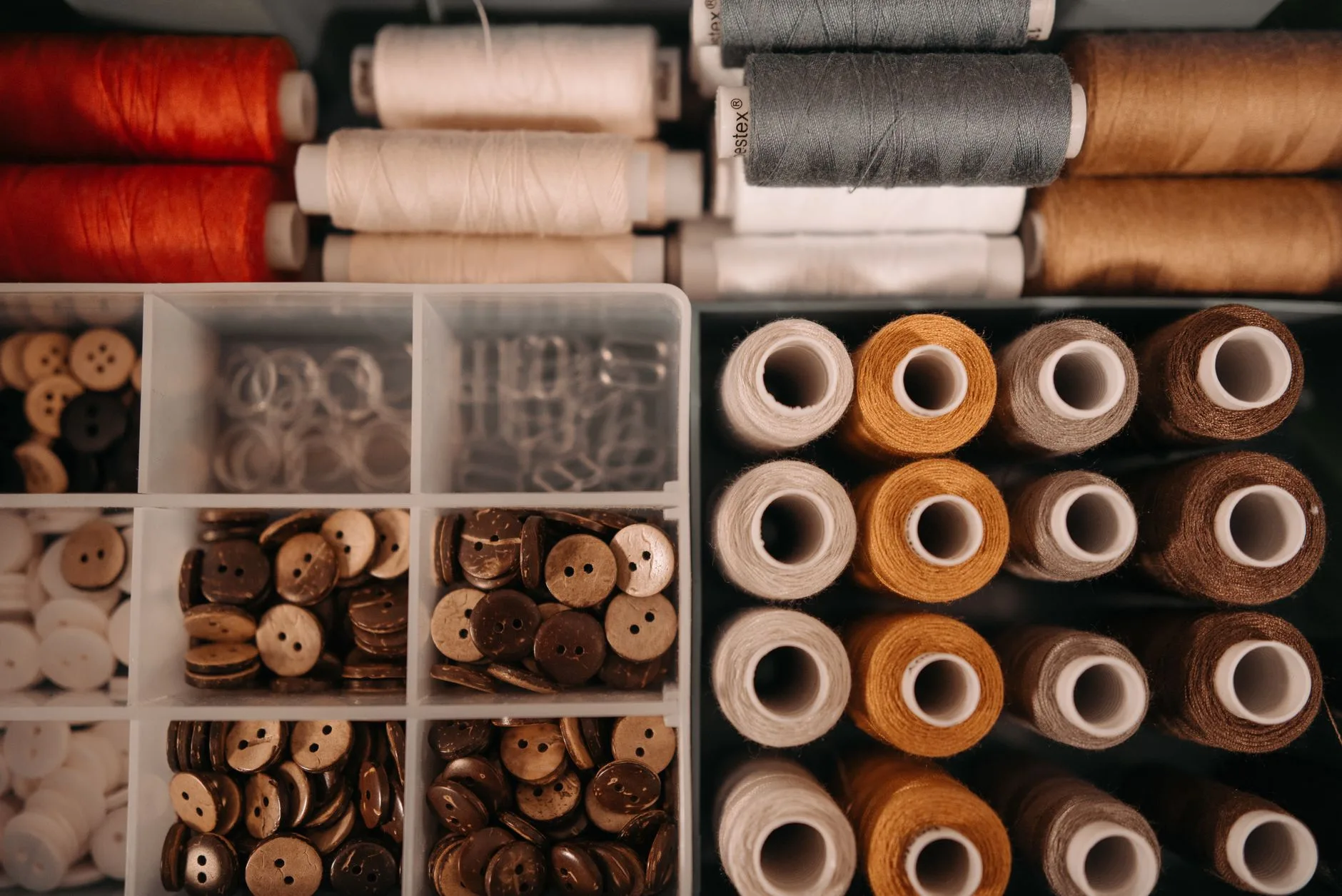
Clear storage bins for fabric solve a problem that every sewing room eventually runs into: once the yardage, scraps, notions, and seasonal projects start stacking up, it becomes harder to see what you actually have. The appeal is simple. You want a bin that lets you identify fabric at a glance, keeps it protected from dust, and still fits neatly on a shelf, in a closet, or under a worktable. The wrong choice, though, can make the clutter worse, especially if the bin is too flimsy, too small, or inconvenient to open when you are in the middle of a project.
Shoppers often make the same mistakes. They buy by appearance alone, overlook internal dimensions, or assume every clear bin will work equally well for fabric. In practice, the best choice depends on what you are storing. Folded yardage, batting, ribbon, and trim all behave differently, and so do people who need quick access versus people who are building long-term inventory. Some buyers want soft-sided bins that flex into tight shelves. Others want rigid containers with lids for stacking. The top overall pick here stands out because it balances visibility, practicality, and everyday convenience better than most.
If you are short on time, the quick comparison below gives you the fastest way to narrow the field.
Quick Answer
The best clear storage bins for fabric usually combine three things: a transparent or windowed view, a shape that suits your shelving, and enough structure to keep the contents from slumping. For most craft rooms, the most balanced pick is the Sorbus 11 Inch Storage Bins with Clear Window, because it offers a practical cube size, easy visibility, and a familiar all-purpose format that works well for fabric, notions, and mixed craft supplies. If you want the lowest-cost option, the DIMJ Storage Cubes are hard to ignore. If you need something more rigid or stackable, the Vtopmart Clear Stackable Storage Bins deserve a look, while the Fab totes Storage Bags are better for bulkier textiles such as blankets, batting, and seasonal linens.
For a closer look at how each option differs, the comparison table and reviews below break down the strengths and tradeoffs in plain language.
Best Clear Storage Bins For Fabric Comparison Table
| Product | Best For | Main Strength | Size / Format |
|---|---|---|---|
| Sorbus 11 Inch Storage Bins With Clear Window | All-purpose fabric shelf storage | Balanced size, clear front window, easy folding | 6-pack, 10.5 x 10.5 x 11 in |
| DIMJ Storage Cubes | Budget-minded organizers | Low cost with strong front handle | 6-pack, 11 x 11 in |
| Vtopmart Clear Stackable Storage Bins | Rigid storage and stacking | Clear plastic with lids and handles | 6-pack, medium container |
| Fab Totes Storage Bags | Bulky textiles and bedding | Large capacity with zippered closure | 6-pack, 17-gallon bags |
| Bagnizer Linen Storage Bins | Premium shelf display | Richer materials and sturdy structure | 4-pack, 13 x 13 x 13 in |
| Homsorout Storage Cube 11 Inch | Everyday cubby and closet use | Good shape retention and simple access | 6-pack, 10.6 x 10.6 x 10.6 in |
| Sorbus 11 Inch Storage Bins With Clear Window | Same format, alternate listing | Familiar cube size and versatile use | 6-pack, 10.5 x 10.5 x 11 in |
| Sorbus 13 Inch Storage Bins With Clear Window | Oversized fabric and larger projects | Roomier cube for bigger folded items | 6-pack, 13 x 13 x 13 in |
| Amazon Basics Clear Zippered Storage Bags | Simple closet storage on a budget | Clear plastic and secure zipper closure | 3-pack, stackable bags |
If you want to see which option fits your sewing space best, the full reviews below go into more detail.
Best Clear Storage Bins For Fabric Reviews
1. Best Overall: Sorbus 11 Inch Storage Bins With Clear Window

One reason this Sorbus six-pack earns the top spot is that it hits the sweet spot most fabric buyers are actually looking for. The 11-inch cube format is broad enough for folded cotton yardage, precuts, small batting bundles, and mixed sewing supplies, but not so large that it becomes awkward on standard shelving. The clear window is especially useful in a craft room, where you may not want to open every container just to confirm whether it holds interfacing, fat quarters, or holiday fabric. That small detail saves time and helps keep a project moving.
The construction is straightforward rather than flashy, which is exactly why it works for so many people. The bins are foldable, lightweight, and simple to assemble, so they suit crafters who want flexible storage without committing to rigid plastic totes. The handle is handy when pulling a bin from a high shelf, and the neutral styling makes it easy to blend into a closet, cube organizer, or open shelving system. If you need one dependable set that can handle most general fabric storage tasks, this is the safest all-around choice.
Pros
- Clear front window makes it easy to identify fabric or supplies without unpacking the bin.
- Standard cube size works well in many shelving systems and closets.
- Foldable design is useful when you need to store the bins flat.
- Lightweight format makes it easy to move between sewing room, closet, and storage area.
- Good general-purpose size for folded cotton, seasonal fabric, and mixed craft materials.
Cons
- Soft-sided structure is not as rigid as plastic bins.
- Not ideal for very heavy or sharply edged items that can stress fabric walls.
- Single-handle design is practical, but not as comfortable as more reinforced premium options.
This is the best fit for most readers because it is easy to live with. It is not the toughest bin in the roundup, and it is not the largest, but it is probably the one most fabric stashes can use without much planning. If you want a dependable organizer for a sewing room, nursery, closet, or shared craft space, it offers the least complicated path to better organization. Buyers who want rigid stacking or a more decorative finish may prefer a different style, but for everyday fabric visibility and convenience, this Sorbus set is the strongest overall pick.
To buy this product, click here.
2. Best Budget: DIMJ Storage Cubes

DIMJ makes a strong case for shoppers who want useful fabric storage without spending much. On paper, the design is familiar, but that is part of the appeal. You get a six-pack of cube bins with front windows, a foldable structure, and a reinforced handle that is meant to stand up to repeated pulling. For fabric storage, those features matter more than most buyers realize. Being able to see the contents helps with color sorting, seasonal rotation, and project planning, while the handle makes a difference when the bins are placed on higher shelves or in a deep cube unit.
What makes this option particularly practical is the balance of price and capacity. It is an easy recommendation for beginners building their first sewing room, for families corralling kids’ craft supplies, or for anyone who wants a matching set for closet shelves. The shape is friendly to most standard cube systems, and the collapsible build is convenient if you need to store the bins between projects. It does not feel luxurious, but it does seem focused on basic usefulness, which is usually what budget shoppers need most.
Pros
- Very competitive value for a six-pack of storage cubes.
- Transparent window helps identify fabric, yarn, or craft supplies quickly.
- Strengthened front handle improves access from shelves.
- Foldable construction saves space when the bins are not in use.
- Works in closets, bedrooms, laundry rooms, and craft spaces.
Cons
- Build quality is functional, but less refined than premium linen-style bins.
- May not hold shape quite as well under heavier contents.
- Best for everyday organization, not for a decorative display setup.
The DIMJ cubes are the smart pick for shoppers who care most about keeping costs down while still getting a practical windowed storage solution. They are a good match for fabric remnants, quilting scraps, and light to medium-weight textiles. If you need something that looks elevated in an open living area, this may not be the first choice. But if the goal is to organize a lot of material without overpaying, DIMJ gives you a workable answer that covers the basics well.
To buy this product, click here.
3. Best Rigid Option: Vtopmart Clear Stackable Storage Bins

For buyers who would rather have a hard-sided container than a soft fabric cube, Vtopmart offers a very different approach. These clear bins are not made for the same kind of shelf presentation as the fabric cubes in the roundup, but they are excellent when you want a cleaner, more enclosed way to store sewing room supplies. The lids and stackable design make them appealing for anything that benefits from added protection, including specialty fabrics, trims, interfacing, patterns, and mixed materials that you do not want exposed to dust. The clear plastic also means less guessing, which is useful when you are sorting by project or seasonal use.
This is the most disciplined storage solution in the group. It is especially helpful if your fabric area doubles as a utility closet, pantry, or multipurpose room and you need containers that can move between spaces without looking out of place. The handles help with transport, and the rigid body provides more support than a typical collapsible bin. The tradeoff is that it is less forgiving for bulky folded yardage and less visually soft than a textile bin, so it suits organized, category-based storage more than casual stuffing and retrieval.
Pros
- Rigid construction is ideal for protective, long-term storage.
- Lids make stacking more stable and help reduce dust exposure.
- Clear sides simplify sorting and inventory checks.
- Good for fabric, tools, notions, and mixed household storage.
- Handles make it easier to pull bins in and out of shelves.
Cons
- Not a fabric-style bin, so it has a different look and feel from cube organizers.
- Less flexible for oversized fabric cuts and soft, bulky textiles.
- Hand-wash style cleaning is less convenient than wiping down soft bins.
Choose Vtopmart if your biggest concern is control rather than softness. It works well for people who label by project, sort by fiber type, or need stackable containers in a compact workspace. Sewists who want a softer visual profile may prefer one of the cube bins instead, but if you value protection and stable stacking, this is one of the strongest options in the lineup. It is a particularly good fit for rooms where fabric storage has to share space with other household items.
To buy this product, click here.
4. Best For Bulky Textiles: Fab Totes Storage Bags

Fab totes is the option that makes the most sense when your fabric storage needs go beyond standard yardage. These are soft-sided storage bags with zippers, large clear windows, and generous interior capacity, so they are well suited to comforters, batting, fleece, seasonal bedding, and other textiles that take up a lot of room. If you are trying to free up space in a sewing room or closet, the ability to store large bundles in an enclosed format can be more useful than a cube that looks neat but fills too quickly. The zippered closure also gives the contents a little more protection than an open-top basket.
Because these are bags rather than structured bins, they are especially handy in closets, dorm rooms, and moving situations. You can pack them flat when empty, and they flex around bulky items rather than forcing them into a fixed shape. That makes them less elegant than firmer cube organizers, but also more adaptable. For fabric buyers who regularly handle quilts, blankets, or multiple layers of folded yardage, this format can save space in a way a conventional cube cannot. If your stash is bulky instead of tidy, this is the practical answer.
Pros
- Large capacity is excellent for blankets, batting, bedding, and bulk fabric.
- Zippered top helps keep dust off stored textiles.
- Clear window makes it easier to identify contents.
- Folds flat when empty, which helps in smaller homes and shared spaces.
- Flexible sides make it easier to fit into awkward closet spaces.
Cons
- Less structured than a true cube bin or hard-sided container.
- Not the best choice for neat shelf presentation.
- May be too bag-like for shoppers who want uniform, rigid stacking.
This is the right pick for quilters, makers with large textile pieces, and anyone who stores seasonal fabric or bedding together. It does not have the clean geometric look of a shelf cube, but its strengths are hard to ignore if volume matters more than display. If you mainly store smaller cuts, a more structured bin may be easier to live with. If your problem is simply having too much fabric and not enough room, Fab totes gives you a flexible, high-capacity solution.
To buy this product, click here.
5. Best Premium Feel: Bagnizer Linen Storage Bins

Bagnizer is the refined option in this group. The linen exterior, 3-layer structure, leather-style handles, and added labeling pieces give it a more finished look than a basic collapsible cube. That matters if your storage is visible in a sewing studio, guest room, or bedroom closet where you care about presentation as much as utility. For fabric storage, the sturdier walls are also a plus, because they help prevent sagging when the bin is filled with folded yardage, denim, or mixed notions. The 13-inch cube size gives you more room than the standard 11-inch design, which can be helpful if you tend to buy fabric in larger quantities.
This is the kind of bin for shoppers who expect their organizers to look as polished as the room they live in. It is not the cheapest choice, and it should not be. The materials and detailing point to a more premium experience, and the storage performance follows suit. Two handles and the rigid build make the bins easier to pull from shelves and more reassuring when loaded. If you want a more elevated fabric storage system that still folds down when you need space, Bagnizer is one of the best-balanced premium options.
Pros
- Premium linen look feels more polished than basic nonwoven cubes.
- Richer structure helps the bin hold its shape better under load.
- Larger 13-inch size gives more room for folded fabric and larger textiles.
- Two handles improve carry and shelf access.
- Added labels are useful for organizing fabric by color, type, or project.
Cons
- More expensive than simpler budget-friendly options.
- Four-pack offers less total bin count than six-pack competitors.
- May be more elegant than some buyers need for a purely hidden storage setup.
Buy this if your fabric storage lives in plain sight and you want the room to look considered rather than improvised. It is especially appealing for sewists who like matching storage and need slightly more structure than a soft cube provides. If your main goal is sheer quantity at the lowest cost, other picks are more efficient. But if you care about finish, durability, and a more substantial feel, Bagnizer deserves a serious look.
To buy this product, click here.
6. Best For Everyday Closet Use: Homsorout Storage Cube 11 Inch

Homsorout is a sensible middle-ground choice for people who want a familiar cube bin with a few thoughtful details. The front window is easy to appreciate when the bins are used for fabric, since sewing supplies are much easier to manage when you can visually sort them without pulling containers off a shelf. The size is close to the common 11-inch cube format, so it fits naturally into many bookcases and closet organizers. That makes it especially convenient for shared storage areas where you want a uniform look and predictable dimensions.
The craftsmanship points in the right direction too. The stitching, reinforced structure, and collapsible layout suggest a product designed for regular use rather than occasional overflow. It is a practical choice for readers who want to cycle through seasonal fabric, keep quilting cotton organized by color, or store yarn and notions alongside fabric in one system. It does not have the premium finish of linen-style competitors, but it does a solid job of combining visibility, structure, and convenience at a sensible level.
Pros
- Windowed front makes it easier to identify stored fabric quickly.
- Good shape retention for a soft-sided cube bin.
- Foldable when not in use, which helps save space.
- Useful size for closets, shelves, and cubby units.
- Suitable for mixed fabric, books, toys, and sewing supplies.
Cons
- Not as distinctive visually as linen or premium display-style bins.
- Still a soft-sided organizer, so it will not feel as rigid as plastic containers.
- May be best viewed as a practical organizer rather than a statement piece.
This is a good fit for shoppers who want a straightforward bin that can work in several rooms. It is especially useful in closet shelves or nurseries where visibility matters and you want bins that are easy to pick up and move. If you want the highest-end look, there are more polished options. If you want a solid, everyday fabric cube that does the job without drama, Homsorout is an easy recommendation.
To buy this product, click here.
7. Best Familiar Cube Size: Sorbus 11 Inch Storage Bins With Clear Window

This Sorbus listing uses the same core formula that makes the 11-inch version so easy to recommend. The appeal here is consistency. You get the same clear-window visibility, the same foldable cube format, and the same general suitability for shelves, cubbies, and closet systems. For buyers who know they want fabric bins in this size range and are comparing similar listings, this version reinforces why the 11-inch format is the most versatile size for many homes. It is large enough to hold folded fabric, but not so large that one bin swallows an entire shelf.
That balance is valuable in actual craft-room use. If your fabric is organized by project, fiber, or season, a medium cube can keep things divided without turning into overstuffed catchalls. This model also works well if your sewing area is shared with a family room or bedroom and you want storage that looks neat without demanding a dedicated closet. It is not the most upscale bin in the roundup, and it does not have the rigidity of hard containers, but it is dependable and familiar, which is often exactly what buyers want.
Pros
- Versatile cube size fits a wide range of shelving setups.
- Clear window supports quick identification of contents.
- Fold-flat design makes storage easy when bins are empty.
- Useful for fabric, craft materials, and general household organizing.
- Lightweight enough to move around a room with little effort.
Cons
- Very similar to the top Sorbus pick, so it offers little distinction.
- Soft construction means it is not ideal for heavy loads.
- Not the best choice if you need stacking rigidity.
Choose this if you want the familiar 11-inch cube form and are comfortable with a simple, soft-sided organizer. It is a practical, low-drama answer for fabric that needs to stay visible but not necessarily protected behind a lid. Buyers comparing similar cube bins may not find dramatic differences here, which is partly the point. The format works, and this is another example of why.
To buy this product, click here.
8. Best Large Cube: Sorbus 13 Inch Storage Bins With Clear Window

The 13-inch Sorbus cube is the easiest option to recommend when the standard cube feels too cramped. The larger dimensions matter more than they first appear, especially for fabric buyers who regularly store larger cuts, thicker textiles, or multiple project bundles in one place. If your shelf space allows for it, this bigger bin gives you more room without forcing you into a bulky plastic tote. The clear window still makes the contents easy to identify, which means you get a larger format without losing the basic visibility that makes windowed bins so useful in a sewing space.
This model is best understood as a volume upgrade, not a complete reinvention. It keeps the same foldable fabric-bin idea and simply gives you more breathing room. That makes it useful for winter sewing supplies, blankets, batting, upholstery offcuts, or a fabric stash that has outgrown the smaller cube sizes. The main tradeoff is shelf footprint. If your storage system is compact, the larger size may be more than you need. But if you are tired of bins that fill up too quickly, this version solves a real problem.
Pros
- Larger interior space is better for bigger fabric bundles and textiles.
- Clear window still allows quick inventory checks.
- Foldable when not needed, which helps preserve storage flexibility.
- Works well for shared storage areas and larger cube shelving.
- Useful for bulky sewing materials that do not fit comfortably in smaller bins.
Cons
- Takes up more shelf space than the 11-inch version.
- May be too large for buyers with compact storage units.
- Still soft-sided, so it will not feel fully rigid when heavily loaded.
If you store more than just tidy fabric cuts, the larger Sorbus cube is often the better long-term choice. It is especially attractive for quilters, costume makers, and anyone with broad seasonal stock. If space is tight, the standard cube remains easier to place. But if capacity is the priority, this is the more forgiving option.
To buy this product, click here.
9. Best Simple Closet Bag: Amazon Basics Clear Zippered Storage Bags

Amazon Basics takes a very straightforward approach with these clear zippered storage bags. Rather than trying to imitate a fabric cube, the product focuses on visibility, closure, and stackable convenience. That makes it a useful choice for fabric buyers who want an inexpensive way to separate and protect clothing, linens, or folded craft textiles in a closet. The clear plastic construction lets you see what is inside immediately, which is helpful when you are storing backup fabric, costume pieces, or seasonal materials you do not need every week.
The zipper closure adds a modest layer of protection that open-top bins do not provide, and the bags can be stacked to save closet space. They are not the most elegant or durable-seeming solution in the roundup, but they are practical in a very direct way. If your fabric storage is temporary, secondary, or part of a larger closet system, these bags can make sense. They are especially useful for buyers who prioritize low cost and simple sorting over a decorative shelf presence.
Pros
- Clear plastic makes it easy to identify stored contents.
- Zipper closure helps keep dust off stored items.
- Stackable design works well in closets.
- Low-cost way to organize fabric, linens, and clothing.
- Simple format is easy to understand and use immediately.
Cons
- Less structured and less decorative than cube-style fabric bins.
- Three-pack gives you less total unit count than some competitors.
- Better for closet storage than for a polished sewing-room display.
This is a good fallback if you need something basic, transparent, and inexpensive for storage that lives behind a closet door. It is not the best-looking option and not the most specialized for fabric, but it solves the practical problem of seeing and protecting what you have. If your sewing room is already well organized and you just need secondary storage, it can be a useful, no-frills choice.
To buy this product, click here.
How We Chose
To build this roundup, we focused on products that actually make sense for fabric storage in real homes, not just generic organizers with a clear front panel. The key criteria were visibility, practical capacity, shelf compatibility, ease of access, and the ability to fit common sewing-room needs such as folded fabric, batting, trims, and mixed craft supplies. We also gave more weight to products that looked realistic for everyday use, meaning bins that could live on a shelf, slide into a closet, or fold away when the room needs to serve another purpose.
Another important factor was balance. The goal was not to chase the largest bin or the cheapest one. Instead, we looked for options that solve different storage problems well. Some readers need rigid stackable containers. Others need soft-sided cube bins with windows. Some are organizing yardage, while others are sorting bulky textiles or bedding. That is why the list includes a mix of cube organizers, zippered bags, and clear plastic containers. A good buying guide should reflect the way people actually store fabric, not force every shopper into the same format.
Buying Guide
Choosing the right clear storage bins for fabric starts with size. Standard 11-inch cube bins are often the safest all-around pick because they fit many shelving systems and hold a practical amount of folded fabric without becoming awkward to lift. If you mainly store larger yardage, batting, or quilt backs, a 13-inch cube or a larger bag-style container may be more efficient. On the other hand, if your bins will live in a tighter closet or smaller cube organizer, oversized containers can create more frustration than convenience. The right capacity depends on whether you are storing scraps, project bundles, or bulky seasonal textiles.
Material and structure matter just as much. Soft nonwoven fabric bins are usually lighter, fold flat, and work well for open shelving. They are also easier to move around when full. Hard plastic bins, meanwhile, offer better protection and stack more reliably, which can be useful for long-term storage or utility spaces. Zippered bags sit somewhere in between. They are good for enclosed closet storage, but they do not offer the same shelf presence as a cube bin. If your sewing space is visible, you may care more about how the bins look. If it is hidden, pure practicality may matter more.
Window design is another detail that deserves attention. Clear fronts or transparent panels can save a lot of time when you are looking for a specific color or texture. That is especially true for crafters who keep multiple bins of cotton, linen, interfacing, or seasonal fabric. But a window is only helpful if the rest of the bin holds its shape. A floppy bin with a clear panel still looks messy once it is loaded. Reinforced handles, stable sides, and a dependable bottom insert all help the bin function the way it should.
It is also worth thinking about how often you will access the contents. If you use fabric regularly, you want a bin that opens quickly and does not require you to unzip, unstack, or remove an entire container every time you need one yard. If the fabric is mostly archived or seasonal, then a tighter closure and stacking ability become more useful. In other words, daily-use fabric and long-term storage fabric call for different solutions. Matching the bin to the job is what separates a neat room from one that stays organized.
What to prioritize by use case:
- For everyday sewing supplies: Choose a cube bin with a window and a sturdy handle.
- For bulky textiles: Use a zippered storage bag or a larger cube with more depth.
- For long-term storage: Rigid, stackable bins can offer better protection and order.
- For smaller rooms: Foldable bins are usually the most space-efficient when empty.
- For visible storage: Linen-like or better-finished bins tend to look more intentional.
One final point. A good bin should make your fabric easier to use, not just easier to hide. If the contents are hard to reach, the label is unclear, or the bin is too small to keep categories separate, the system will fall apart. The best option is the one that makes sorting, finding, and putting away fabric feel simple enough that you will actually keep doing it.
Frequently Asked Questions
What Size Storage Bin Is Best For Fabric?
For most people, an 11-inch cube is the most versatile starting point. It fits common shelving and holds enough folded cotton, scraps, or project fabric to be useful without becoming too heavy or awkward. If you store larger cuts, batting, or quilting materials, a 13-inch cube or a larger bag-style organizer may work better.
Are Clear Storage Bins Better Than Opaque Ones For Fabric?
Usually, yes, if you want to find fabric quickly. Clear fronts or windows let you see color, texture, and category at a glance. That saves time and helps prevent duplicate buying. Opaque bins can still work well if you label them carefully, but clear storage is generally more convenient for active sewing spaces.
Should I Choose Fabric Bins Or Hard Plastic Bins?
Fabric bins are usually better for shelves, cube organizers, and visible storage because they are lighter and more flexible. Hard plastic bins are better if you need stackability, dust resistance, or a more protective container. For many craft rooms, a combination of both works best.
Can These Bins Hold Quilting Cotton And Heavier Fabrics?
Yes, but weight and structure matter. Standard cube bins are fine for folded cotton, linen, and mixed sewing materials. Heavier items like denim, canvas, or large batting bundles are better in sturdier bins or larger containers with stronger walls. Overstuffing any soft-sided bin can shorten its life.
Are Zippered Storage Bags Good For Fabric?
They can be, especially for bulky items like blankets, comforters, seasonal fabric, or long-term closet storage. Zippered bags are less structured than cube bins, so they are usually better when the priority is capacity and dust protection rather than shelf presentation or frequent access.
Do Foldable Storage Bins Last Long Enough For Regular Use?
Good ones usually do, provided they are not overloaded. Foldable bins are ideal for light to medium storage and are convenient when you need to collapse them later. If you plan to move the same bin constantly or pack it with heavy materials, look for reinforced sides, better stitching, and sturdy handles.
How Do I Keep Fabric Bins From Looking Cluttered?
Group fabric by category, color, or project and avoid mixing too many item types in one bin. Use the window or label area consistently so you do not have to guess what is inside. Bins also look cleaner when they are filled evenly rather than stuffed at random, so it helps to reserve each container for a specific purpose.
Final Verdict
The best clear storage bins for fabric depend on how you sew, how much you store, and how visible your storage needs to be. For most buyers, the Sorbus 11 Inch Storage Bins With Clear Window are the strongest overall choice because they combine practical sizing, easy visibility, and a familiar cube format that works in most sewing rooms and closets. If you are trying to spend less, the DIMJ Storage Cubes offer a very solid budget path. If you need a more rigid, stackable solution, the Vtopmart Clear Stackable Storage Bins are the better structural option. And if your stash includes bulky quilts, batting, or bedding, the Fab totes Storage Bags may solve a storage problem that standard cubes cannot.
The main thing is to match the bin to the job. Don’t buy based only on the window or the color. Think about whether you need shelf appeal, portability, stacking, or maximum volume. A well-chosen bin should make fabric easier to see, easier to reach, and easier to keep sorted. If you get that part right, your storage system will start to support your sewing instead of competing with it.
Leave a Reply