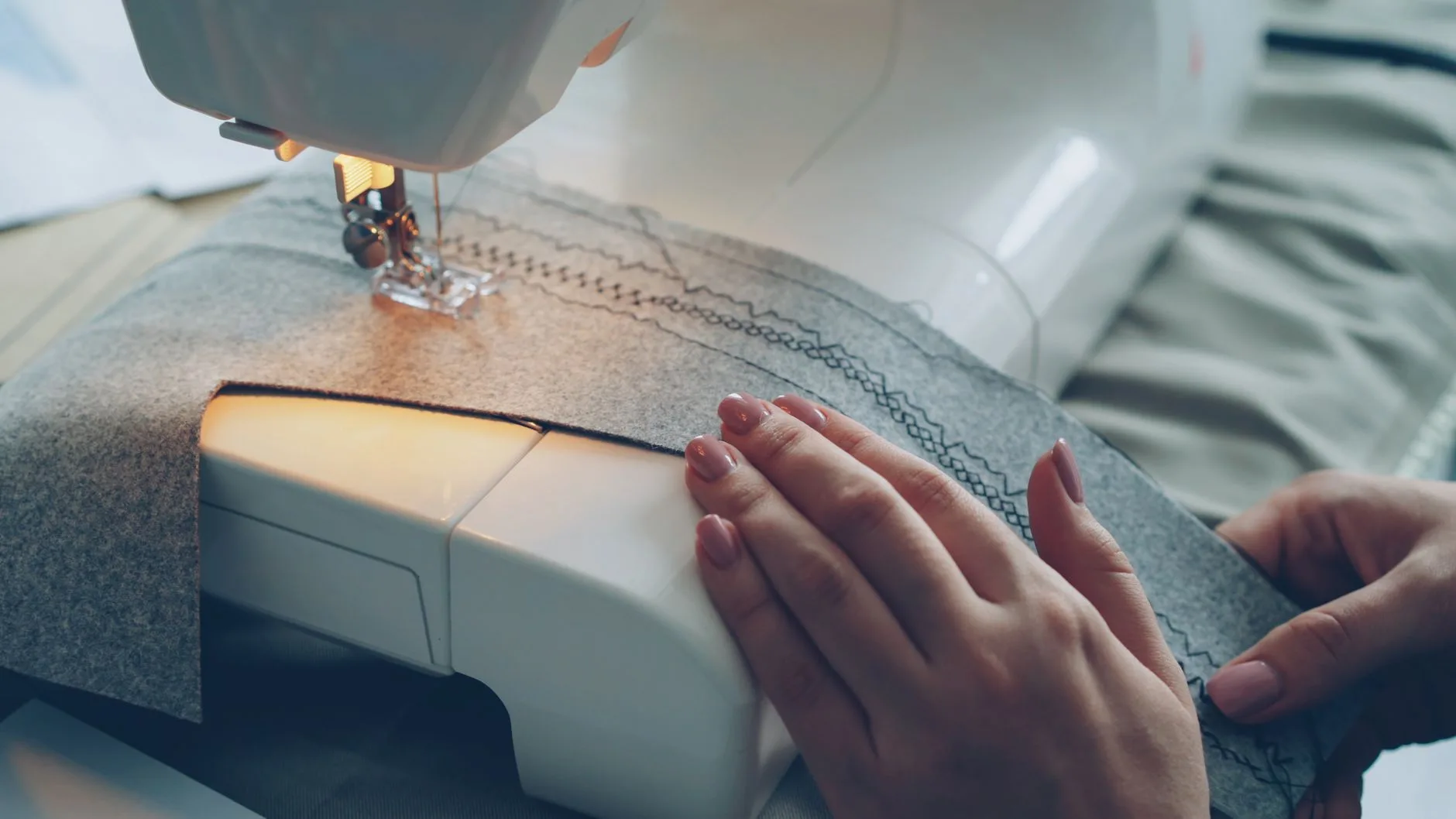
Quilters tend to be a demanding audience, and that is exactly why shopping for the right machine takes more than glancing at stitch counts. A good quilting machine needs a generous workspace, steady fabric handling, a reliable needle threader, and controls that make it easy to stay focused on the quilt instead of the machine. The wrong pick can leave you wrestling with shifting layers, awkward thread changes, and a throat space that feels cramped the moment a project gets ambitious.
Many buyers make the same mistake: they chase features they will rarely use, or they buy a basic sewing machine that looks fine on paper but feels undersized once a lap quilt or bed quilt is on the table. What matters most is balance. You want enough stitch options for versatility, but also the kind of feed system and table support that keeps patchwork neat. Different quilters also want different things. Beginners usually want simplicity and a forgiving setup, while more experienced makers may care more about precision, speed, and room to maneuver bulky projects. The top overall recommendation here stands out because it gives you a strong mix of ease, accessory support, and quilting-friendly design without moving into premium-machine territory.
If you are short on time, the comparison table below gives a quick way to sort the top options before reading the full reviews.
Best Sewing Machines For Quilting Quick Answer
| Product | Best For | Main Strength | Key Specs |
|---|---|---|---|
| Brother XR9550 | Best Overall | Strong feature mix and easy computerized controls | 165 stitches, LCD screen, wide table |
| Brother HC1850 | Best for Stitch Variety | More built-in stitches for flexible quilting and garment work | 185 stitches, LCD screen, 8 included feet |
| Brother XR3774 | Best Budget | Simple, approachable setup for newer quilters | 37 stitches, wide table, 8 feet |
| SINGER Quantum Stylist 9960 | Best Premium Feature Set | Deep stitch library and advanced convenience features | 600 stitches, extension table, lettering |
| Brother CS7000X | Best Value | Very well-rounded for the price | 70 stitches, 10 feet, wide table |
| Janome JW8100 | Best for Smooth Feeding | Reliable stitch consistency and strong quilting support | 100 stitches, 7 buttonholes, extension table |
| SewLaVie 1130 | Best for Heavy Fabric Use | Strong motor and broad stitch library | 300 stitches, free arm, wide table |
| SINGER Heavy Duty 4411 | Best for Thick Materials | Fast sewing and extra power | 11 stitches, 1,100 stitches per minute, metal frame |
| Brother XR9550 Bundle | Best Accessory Bundle | Helpful extras for getting started quickly | 165 stitches, hard case, thread and needles |
For a closer look at how these machines differ in real quilting use, the reviews below explain where each one fits best.
Best Sewing Machines For Quilting Reviews
1. Best Overall: Brother XR9550

The Brother XR9550 earns the top spot because it hits the sweet spot most quilters actually need. It offers a wide enough stitch library to handle piecing, decorative work, and utility sewing, but it does not overwhelm you with the kind of complexity that can slow down a casual or intermediate user. The LCD display keeps the learning curve manageable, and the automatic needle threader and drop-in bobbin help reduce the small frustrations that often pile up during long sessions at the machine.
Just as important, Brother includes the accessories that matter for quilting, especially the wide table and multiple presser feet. Those extras make a real difference once your project moves beyond small practice squares. The machine feels like a thoughtful all-rounder rather than a stripped-down starter model or an overbuilt hobbyist tool. Quilters who want a dependable, approachable machine for everyday patchwork, wall hangings, and lap quilts will likely appreciate that balance. It is not the most specialized machine in the category, but it may be the one most buyers can grow with comfortably.
Pros
- 165 built-in stitches cover a broad range of quilting, decorative, and utility needs.
- The wide table gives you better support for larger quilt sections.
- Automatic needle threading saves time and reduces setup frustration.
- The LCD screen makes stitch selection straightforward.
- Included quilting feet add useful value out of the box.
- Brother’s support structure is a plus for newer users who want guidance.
Cons
- It is still a midrange machine, so very advanced quilters may want more specialized controls.
- The included accessories are useful, but not especially luxurious.
- It is intended for U.S. use only, which matters for buyers outside that market.
If you want one machine that is easy to live with and flexible enough for most quilting projects, this is the safest recommendation in the group. It is especially appealing for people who are upgrading from a basic mechanical model and want a clearer interface without jumping straight into a premium price tier. On the other hand, quilters who sew very large projects every week, or who want a machine with more advanced stitch customization, may eventually outgrow it.
To buy this product, click here.
2. Best For Stitch Variety: Brother HC1850
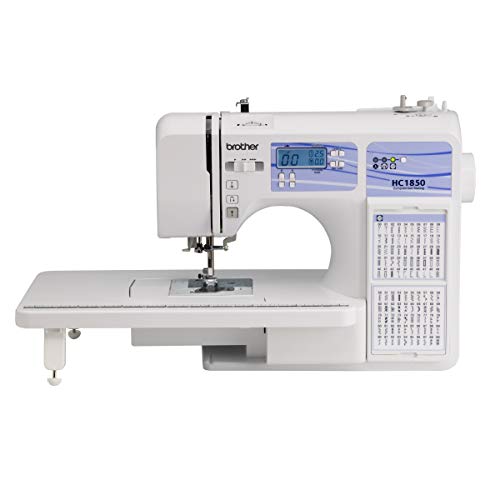
The HC1850 is the choice for buyers who like the idea of a quilting machine that can also flex into garment sewing, craft projects, and decorative work. Its 185 built-in stitches push it ahead of many similarly priced competitors in terms of versatility, and that can matter if you enjoy switching between piecing quilt blocks and adding finishing details to other projects. The computerized interface keeps the process organized, and the LCD display is easy to follow once you settle into its menu system.
What makes this model compelling is the combination of capability and familiarity. Brother’s thread handling is generally approachable, and the included wide table supports larger work better than a standard compact machine would. For quilters who want more stitch variety than the XR9550 offers, but do not want to move into the bulk and cost of a more premium machine, the HC1850 makes sense. It is a practical middle step for makers who expect their projects to become more varied over time. The tradeoff is that it is still very much a consumer-oriented machine, so serious production-level quilters may want a sturdier, more specialized platform.
Pros
- 185 stitches give you more creative range than most machines in this roundup.
- The LCD screen helps keep navigation simple.
- The wide table is helpful for quilts and other larger pieces.
- The advanced needle threader reduces setup hassle.
- Eight included feet add functional value for different techniques.
Cons
- More stitch options are useful, but not everyone needs that many.
- It costs more than some beginner-friendly alternatives.
- Heavier quilting workloads may call for more workspace and stronger industrial-style construction.
Buy this if you want a machine that offers real creative range without becoming overly complicated. It is a solid fit for intermediate sewers who enjoy experimenting, and for quilters who know they will use decorative stitches beyond the occasional border. If your main goal is basic piecing and simple quilt construction, you may not need this much stitch variety. Still, the HC1850 is one of the easiest ways to buy a little extra future-proofing without stepping far outside the comfort zone of a home sewing machine.
To buy this product, click here.
3. Best Budget: Brother XR3774

The XR3774 is the most straightforward budget pick in this lineup, and that is part of its appeal. It does not try to overwhelm the buyer with advanced features. Instead, it focuses on the essentials: a useful stitch selection, a wide table, automatic needle threading, and the kind of simple, forgiving operation that helps newer quilters get to work quickly. That makes it a sensible choice if you are buying your first quilting machine or if you want a second machine dedicated to lighter projects.
Its 37 built-in stitches may seem modest next to the higher-spec models here, but that is not necessarily a drawback for quilting. Many quilters spend most of their time on a narrow set of utility and decorative stitches, so the more important question is whether the machine sews cleanly and handles larger fabric pieces without fuss. The XR3774 does enough of that to remain appealing, especially for the price-conscious shopper. The main limitation is obvious, though. If you like extensive stitch libraries or expect to tackle more elaborate customization, this model will feel basic in a hurry.
Pros
- Budget-friendly entry into quilting without giving up the wide table.
- Simple controls are friendly to beginners.
- Automatic needle threader and drop-in bobbin keep setup easy.
- Eight feet give you useful versatility for the cost.
- The free arm adds practical value for smaller sewing tasks.
Cons
- 37 stitches are enough for basics, but not much more.
- It is not the best pick for advanced decorative work.
- Experienced quilters may want a machine with more precision features.
This is the machine to buy if you want a sensible, lower-cost way to start quilting at home. It is easy to recommend for students, occasional hobbyists, or anyone who wants a capable machine without paying for features they may never use. The XR3774 is less compelling for buyers who plan to quilt regularly and want a machine that can grow with them over several years. But if your priority is getting solid basics at a friendly price, it is hard to ignore.
To buy this product, click here.
4. Best Premium Feature Set: SINGER Quantum Stylist 9960

The Quantum Stylist 9960 is for quilters who want a machine with a more expansive feature set and do not mind paying for it. The sheer number of stitches is the headline, but the more meaningful story is how many practical conveniences are packed into the machine. The extension table helps support larger fabric pieces, the included presser feet cover a broad range of techniques, and the automatic needle threader and top-drop bobbin system are there to reduce interruptions while you work. It feels like a machine built for users who want to try many different sewing styles in one platform.
For quilting specifically, the combination of speed control, start-stop sewing, and the walking foot among the included accessories can make a meaningful difference. It is the kind of machine that gives more experienced makers room to experiment, especially if they also sew garments or home decor. The downside is that the feature set can be more than casual users actually need, and the price puts it in competition with some more refined specialty models. Still, for the quilter who wants depth and flexibility, the 9960 is one of the most capable options here.
Pros
- 600 built-in stitches provide exceptional range.
- Large extension table improves support for quilting projects.
- Thirteen included presser feet are genuinely useful, not just filler.
- Speed control and start-stop sewing offer excellent fine control.
- Lettering and decorative options broaden its usefulness beyond quilting.
Cons
- It is one of the more expensive machines in this list.
- The feature depth may be more than a beginner needs.
- Some users may prefer a simpler interface for routine quilt piecing.
Choose this if you know you will use the extra stitch range and appreciate a machine that feels more fully equipped from day one. It works well for advanced hobbyists and serious home sewists who value flexibility. It is less attractive if your quilting projects are limited to straightforward piecing, because much of the machine’s sophistication may sit unused. But if you want a premium all-purpose machine with a strong quilting bias, this is one of the strongest options on the market here.
To buy this product, click here.
5. Best Value: Brother CS7000X
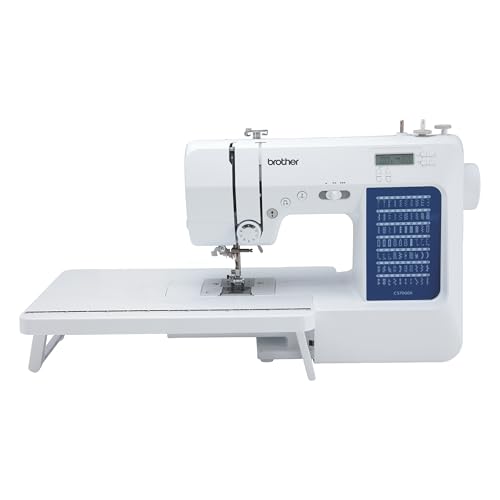
The CS7000X is the rare machine that feels priced sensibly for what it offers. It gives quilters the kinds of features that matter most, including a wide table, a generous workspace, and enough stitch options to handle both everyday sewing and more decorative work. The fixed needle bar and metal frame are especially important for buyers who care about cleaner lines and a steadier feel while stitching, because those details can improve the experience on larger projects. It also includes more feet than many competing models, which adds practical value instead of gimmick value.
What makes this machine especially appealing is how well it fits a wide slice of users. Beginners can get comfortable with the interface, while more experienced quilters can appreciate the more stable construction and larger work area. It is not as feature-heavy as the Quantum Stylist, but for many buyers that is a positive. There is less to learn, less to manage, and fewer settings to distract from the actual project. If you want a well-rounded quilting machine that feels smartly equipped rather than overloaded, the CS7000X belongs near the top of your list.
Pros
- Strong value thanks to a balanced mix of features and accessories.
- 10 included feet are more generous than most rivals.
- The wide table and larger workspace suit quilting well.
- Metal frame construction helps with stability.
- Easy needle threading and bobbin loading save time.
Cons
- 70 stitches are useful, but not as extensive as some higher-end options.
- It may feel basic to advanced users who want more customization.
- The best results still depend on using the right foot and setup for each project.
This is one of the smartest buys for most home quilters because it avoids the extremes. It is not stripped down, but it is also not trying to be a luxury machine. Buyers who want a dependable daily driver for quilts, mending, and general crafting should find a lot to like here. If you are shopping strictly on the basis of price alone, the XR3774 is cheaper, but the CS7000X arguably gives you the better long-term package.
To buy this product, click here.
6. Best For Smooth Feeding: Janome JW8100

Janome has a long-standing reputation for making machines that feel composed and consistent, and the JW8100 fits that profile well. Its strongest selling point is not just the stitch count or included accessories, but the way it is set up to keep fabric moving smoothly. Quilters know that consistent feeding matters more than flashy extras when layers start to stack up, and this model’s feed system is built with that in mind. The extension table and quilting foot round out the package, making it a practical choice for patchwork and block construction.
The JW8100 will appeal to buyers who want a machine that feels more deliberate and less entry-level. The controls are straightforward, the LCD is easy to read, and features like needle up/down and speed control are genuinely useful during quilting. It also arrives with a healthy accessory bundle, which helps justify the cost. The tradeoff is that Janome sits in a more serious price bracket than some of the Brother options, and you are paying as much for reliability and refinement as you are for features. For quilters who value smooth operation over a huge stitch library, that is often money well spent.
Pros
- Reliable fabric feeding is a real advantage for layered quilting.
- The extension table and quilting foot make it project-ready.
- Speed control and needle up/down improve handling during detailed work.
- The included accessory set is practical and well chosen.
- Janome’s simple computerized interface is easy to use.
Cons
- It costs more than some equally versatile competitors.
- The stitch count is solid, but not especially expansive.
- Budget-focused buyers may find better value in Brother models.
This is a strong option if your quilting frustrations usually come from fabric handling rather than stitch selection. It is a better fit for people who care about smooth seams, stable feeding, and a machine that feels dependable over time. If you want the biggest stitch library for the money, there are more aggressive specs elsewhere in this roundup. But if you prize a calm, predictable sewing experience, the JW8100 earns its place.
To buy this product, click here.
7. Best For Heavy Fabric Use: SewLaVie 1130

The SewLaVie 1130 stands out because it brings unusual ambition to the midrange quilting category. A 300-stitch library, speed control, start-stop sewing, and a wide table make it feel far more flexible than a bare-bones machine, and the company clearly wants buyers to see it as a machine that can handle both quilting and heavier sewing tasks. That is useful if your projects span from quilt blocks to denim repairs or layered home sewing. The stronger motor and thick-fabric claims also make it attractive to buyers who have outgrown an entry-level machine that struggles with dense layers.
That said, this is the sort of machine where the value depends on your comfort with a less familiar brand. The feature list is very strong, but the user experience will matter a lot in practice, especially for buyers who care about long-term support and parts availability. For quilters who want a feature-rich machine that can also handle heavier textiles, the SewLaVie 1130 offers a compelling pitch. It may not have the name recognition of Brother, Janome, or SINGER, but the specification set is difficult to ignore for buyers who want breadth and power in the same package.
Pros
- 300 stitches provide broad creative range.
- The motor and feed system are positioned for heavier fabrics.
- Start-stop operation and speed control improve convenience.
- The wide table supports quilting work better than a standard compact setup.
- Good feature density for the price point.
Cons
- Less established brand reputation than some rivals.
- Specification depth may matter more than proven long-term track record for some shoppers.
- Some users may prefer a more familiar interface and accessory ecosystem.
Buy this if you need a machine that can swing between quilting and heavier sewing jobs without feeling underpowered. It makes sense for confident buyers who like a lot of built-in options and are willing to evaluate a newer brand on its feature set. If you want the safest long-term bet based on brand familiarity alone, Brother and Janome still have the edge. But for a power-oriented sewing and quilting machine with a wide spread of stitches, this one deserves a close look.
To buy this product, click here.
8. Best For Thick Materials: SINGER Heavy Duty 4411

The Heavy Duty 4411 is the machine for buyers who care more about power than stitch variety. Its appeal is obvious. It is built to sew fast, and it is built to push through denser fabrics with less drama than a lightweight all-purpose model. That can be useful in quilting if your projects include thick seams, heavy backings, or layered materials that tend to challenge a more delicate machine. The metal frame and high-speed operation reinforce that purpose.
Because it focuses so heavily on performance and durability, it is less of an all-around quilting machine than some of the others here. You do not get the stitch library or accessory depth of more computerized models, but you do get a straightforward workhorse that can be a relief for users who do not want menus and layered screens. The pink edition also gives it a more personal look, though the design is obviously secondary to the machine’s core function. If your quilting style leans toward practical construction and tough fabric handling, this model makes a persuasive case.
Pros
- Strong motor helps it handle thick or stubborn fabric layers.
- Fast stitching speed is useful for larger workloads.
- Simple stitch set keeps the machine easy to understand.
- Metal frame adds confidence for heavier use.
- The included accessory kit is useful for getting started immediately.
Cons
- Only 11 built-in stitches, so versatility is limited.
- Not the best choice if you want a true do-everything quilting machine.
- The look may appeal to some buyers, but design preference is subjective.
This is a smart purchase for quilters who regularly work with heavier materials or who simply want a machine that feels more forceful and less fussy. It is less ideal for buyers who want extensive stitch customization, decorative options, or an especially refined computerized experience. For straightforward strength and speed, though, it remains one of the most practical machines in the group.
To buy this product, click here.
9. Best Accessory Bundle: Brother XR9550 Bundle

This version of the XR9550 deserves attention if you like the machine itself but also want a more complete starter package. The core appeal is the same as the standard XR9550, with 165 stitches, an LCD screen, and a wide table, but the bundled extras make the purchase feel more immediately usable. Extra thread, needles, and a hard case are not glamorous additions, yet they are exactly the kind of things many buyers end up sourcing separately. That can make the bundle feel more convenient, especially for newer quilters who want to start sewing without building out an accessory drawer from scratch.
The machine’s strengths remain practical rather than flashy. It is approachable, well equipped, and broad enough to handle common quilting projects without getting complicated. The hard case is especially valuable if you move the machine between rooms or store it after each session. The limitation is that this is still very much the XR9550 formula, so buyers looking for a major step up in raw performance or premium refinement will not find that here. It is best seen as a convenience-focused version of an already dependable model.
Pros
- Same strong 165-stitch platform as the standard XR9550.
- Bundle extras make it easier to start quilting right away.
- The hard case helps with storage and transport.
- Wide table and included feet support larger projects.
- Helpful for buyers who want a more complete out-of-box setup.
Cons
- The machine itself is not dramatically different from the base XR9550.
- Bundle value depends on whether you actually need the extras.
- Not the right pick if you want a major upgrade in performance or depth.
Choose this if you value convenience and would rather buy a ready-to-go package than assemble accessories separately. It makes particular sense for first-time quilting machine buyers or for anyone who stores their machine frequently. If you already have thread, needles, and a carrying solution, the standard XR9550 may be enough. But as a bundle, this version lowers the friction of getting started.
To buy this product, click here.
How We Chose
The goal here was not to crown the most expensive machine or the one with the longest spec sheet. We looked for quilting machines that offer a meaningful combination of workspace, stitch selection, ease of setup, and accessory support. Wide tables, needle threading systems, and stable feeding mattered because quilting is less forgiving than basic garment mending. A machine can look impressive on paper and still be frustrating if it struggles with layered fabric or makes routine tasks harder than they need to be.
We also considered how different shoppers actually buy. Some want a first machine that feels approachable and intuitive. Others want more stitch variety or better support for heavier materials. A few are willing to spend more for premium convenience and a broader feature set. That is why this roundup includes budget picks, value options, and more advanced models. The point is to help readers match the machine to the way they really sew, not to chase features they may never use.
Buying Guide
When you shop for a sewing machine for quilting, start with the workspace. Quilts get bulky fast, and a machine that feels fine for small projects can become awkward once you begin piecing larger blocks or joining quilt layers. A wide table or extension table is worth paying attention to because it supports the fabric and reduces drag. That support often matters more than a long list of decorative stitches.
Next, think about feeding and control. A good quilting machine should move fabric evenly and let you keep the needle under control when you pivot corners or stop at seams. Features like needle up/down, speed control, and a reliable threader are not just conveniences. They save time and reduce mistakes. If you are new to quilting, these features can make the learning curve much gentler.
Stitch count can be useful, but it should not dominate your decision. Quilting usually relies on a smaller set of practical stitches, so it is smarter to focus on whether the machine sews consistently and gives you the feet you need. Walking feet, quarter-inch feet, and quilting guides can be more valuable than a huge catalog of decorative patterns. If you also plan to sew clothes or home decor, a broader stitch library makes more sense, but only if you will actually use it.
Finally, be honest about how often you will use the machine and how much space you have. A premium model can be worth it for frequent quilters, but casual users are often better served by a simpler machine that is easier to store and quicker to set up. The best sewing machines for quilting are the ones that fit your habits, not just your wishlist.
Best Sewing Machines For Quilting FAQ
What Features Matter Most In A Quilting Machine?
The most important features are a wide workspace, stable fabric feeding, needle up/down control, and an extension table or wide table. Stitch count matters, but only after the basics are covered. Quilters usually benefit more from smooth handling and good support than from dozens of decorative stitches they may never use.
Is A Computerized Machine Better For Quilting?
Often, yes, especially for home quilters who want easier stitch selection and more control. Computerized machines tend to include LCD screens, speed settings, and automated threading features that make quilting less tedious. That said, some mechanical machines are excellent for thick materials or users who prefer a simpler setup.
How Many Stitches Do I Really Need For Quilting?
Most quilters do fine with a modest stitch selection. Utility stitches, a few decorative options, and a buttonhole or two are usually enough for quilting work. If you also sew garments or crafts, a larger stitch library becomes more useful. Otherwise, it is smarter to prioritize stability and workspace.
Do I Need An Extension Table For Quilting?
It is not mandatory, but it makes a big difference. An extension table supports the quilt’s weight and helps keep seams aligned while you sew. For larger quilts, it can reduce fatigue and make the whole process smoother. Many buyers end up using it more than they expect.
Are Brother Quilting Machines Good For Beginners?
Yes. Brother makes several beginner-friendly machines with clear LCD screens, automatic threaders, and easy bobbin systems. Models like the XR3774 and CS7000X are especially approachable. They give new quilters enough support to learn without forcing them to wrestle with a complicated interface.
Should I Buy A Heavy-Duty Machine For Quilting?
Only if you regularly sew dense layers, denim, canvas, or thick batting. Heavy-duty machines are great for power and speed, but they can be less versatile for fine quilting details. If your projects are mostly standard cotton quilts, a balanced computerized model may be a better fit.
What Is The Best Quilting Machine For A Limited Budget?
The best budget choice in this roundup is the Brother XR3774. It keeps the essentials in place, including a wide table and automatic needle threading, without pushing the price into midrange territory. It is a sensible pick for newer quilters or occasional users who want a capable machine without extra complexity.
How Important Is Brand Reputation When Buying A Quilting Machine?
It matters, especially for long-term support, parts, and general familiarity. Brother, Janome, SINGER, and Juki all bring different strengths. A well-known brand does not automatically mean the best machine for every user, but it can reduce uncertainty if you want reliable support and a larger community of owners who can help with setup or troubleshooting.
Final Verdict
The Brother XR9550 is the best all-around sewing machine for quilting in this roundup because it offers the right mix of usability, stitch range, and practical accessories without pushing into unnecessary complexity. It is the kind of machine that can serve a wide range of buyers, from newer quilters who want a friendly setup to experienced hobbyists who need a dependable everyday machine. If you want something more feature-rich, the SINGER Quantum Stylist 9960 is the strongest premium-style option, while the Brother XR3774 remains the best budget path for buyers who want to keep costs in check.
The real takeaway is that the best sewing machine for quilting depends on how you work. If you value smooth feeding and a refined feel, the Janome JW8100 deserves serious consideration. If you want more power for thick fabrics, the SINGER Heavy Duty 4411 makes a strong case. And if you want the broadest practical value, the Brother CS7000X is an excellent middle ground. Match the machine to your project size, your comfort level, and how often you plan to sew. That approach will do more for your quilting than chasing the highest stitch count on the box.
Leave a Reply