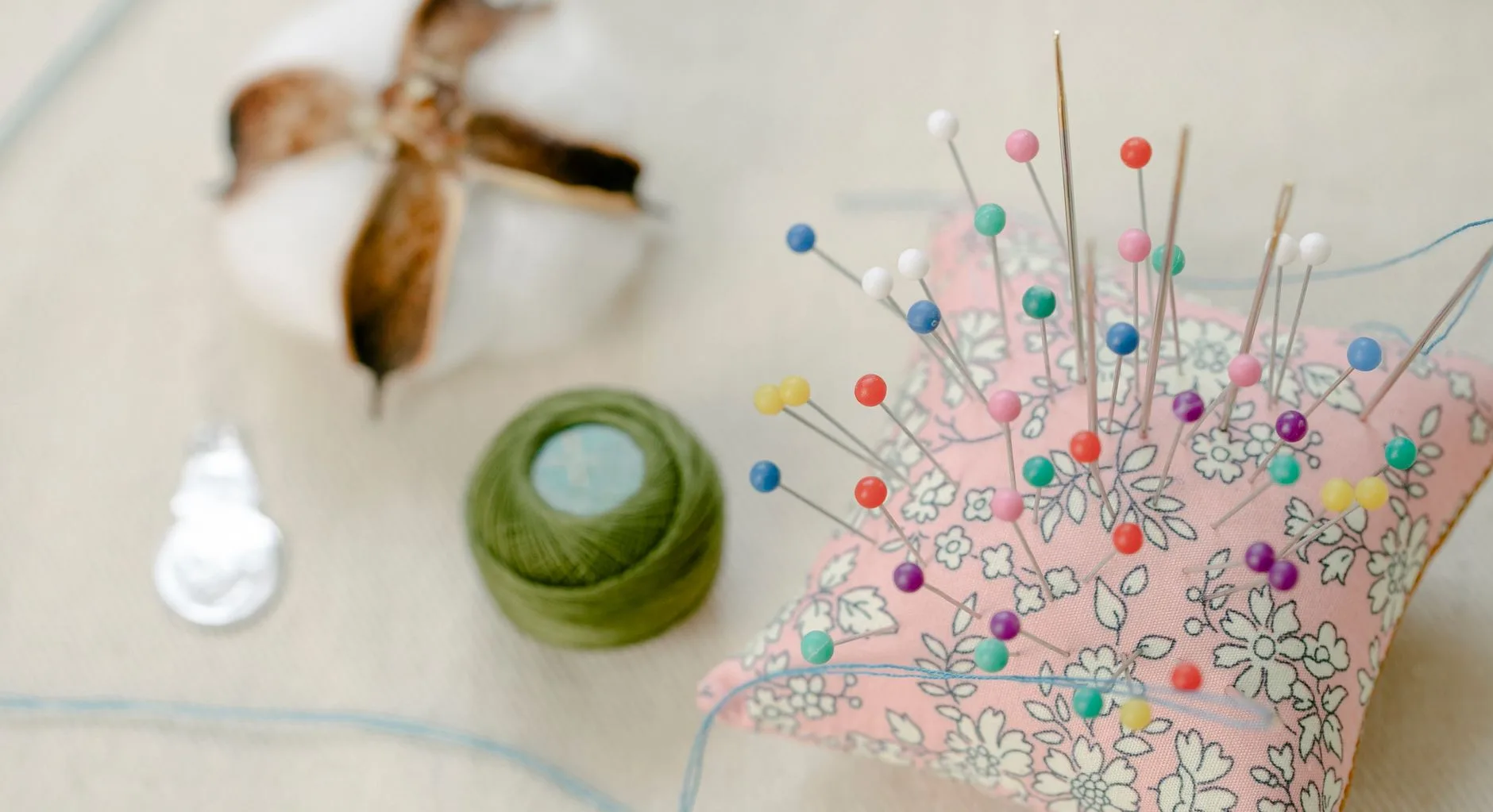
Pin cushions may be one of the smallest items in a sewing room, but the right one can make a surprising difference in how smoothly a project comes together. Buyers looking for the best pin cushions for sewing usually want more than a soft place to park needles. They want something stable, easy to reach, sized for the pins they actually use, and durable enough to live on a cutting table, beside a machine, or inside a travel kit. The mistake many shoppers make is choosing on looks alone, then ending up with a cushion that rolls, sheds, or makes it harder to keep track of sharp tools.
What matters most depends on the way you sew. Quilters often want a larger cushion that can handle long straight pins. Hand sewers may value an emery attachment that helps clean and sharpen needles. Beginners sometimes benefit from a kit that includes the basics, while more experienced sewists may prefer a simple, dependable classic. There is also a clear split between practical buyers and gift shoppers, since some people want a no-nonsense workhorse and others want something cute enough to brighten a craft corner. The standout overall choice here is the classic Dritz tomato cushion, which has earned its place by being practical, familiar, and easy to use without fuss.
If you are short on time, the quick answer and comparison table below give you the main options at a glance.
Quick Answer
The best all-around choice is the Dritz Large Tomato Pin Cushion with Strawberry Emery, because it combines everyday usefulness with a size that suits longer pins and hand-sewing needles. It is the kind of straightforward sewing notion that works for beginners and seasoned sewists alike.
If you want the lowest-cost classic, the smaller Dritz Tomato Pin Cushion with Strawberry Emery is a sensible budget pick. If you need a more giftable or decorative option, the hedgehog and Japanese-style cushions add personality without giving up basic function. For shoppers who want extra tools in one place, the sewing kit and the cactus-shaped organizer are the most feature-rich choices in this group.
Best Pin Cushions For Sewing Comparison Table
| Product | Best For | Main Strength | Size Or Style |
|---|---|---|---|
| Dritz Large Tomato Pin Cushion With Strawberry Emery | Most sewists who want a reliable everyday classic | Larger surface, built-in emery, stable shape | 4-inch tomato cushion |
| Sizobi Cute Hedgehog Pin Cushion | Gift buyers and crafters who want something charming | Portable, soft, and decorative | Plush hedgehog design |
| Sewing Pin Cushion Kit | Beginners and crafters who want an all-in-one set | Includes pins, needles, and small tools | Two cushions plus accessories |
| Round Pin Cushion, Black Fish Scales | Fans of stable, compact desk cushions | Wooden base and tidy footprint | Japanese-style round cushion |
| Dritz 2-3/4-Inch Tomato Pin Cushion | Budget shoppers and occasional sewists | Classic function at a low entry cost | Small tomato cushion |
| Cactus-Shaped Pin Cushion In A Pot | Organizers who want storage and magnets | Extra notions storage with magnetic help | Cactus pot organizer |
| Hedgehog Shaped Pin Cushion Sewing Kit | Kids, beginners, and gift shoppers | Includes colorful butterfly pins | Soft hedgehog kit |
| Round Pin Cushion, Color Fish Scales | Buyers who want a simple low-cost desk cushion | Lightweight and easy to carry | Wooden-base round cushion |
| Rolybag Japanese-Style Round Pin Cushion | Minimalists who want a small utility cushion | Soft padding, stable base, easy placement | Compact floral round cushion |
Each of the reviews below looks a little different, which is useful because pin cushions are one of those sewing basics where the best choice depends on how you work.
1. Best Overall: Dritz Large Tomato Pin Cushion With Strawberry Emery

The Dritz large tomato cushion is the benchmark for a reason. It has the familiar shape most sewists picture when they think of a pin cushion, but the size gives it a little more substance than the tiny decorative versions that can feel more like desk ornaments than working tools. The 4-inch format is especially helpful if you regularly use longer straight pins or hand-sewing needles, because it gives you more room to keep tools visible and ready. That kind of convenience matters more than it sounds when you are moving between basting, pressing, pinning, and stitching in one sitting.
The attached strawberry emery also adds real utility. It is not a flashy feature, but it is one of the things that separates a classic sewing notion from a novelty item. Being able to clean and lightly sharpen pin tips helps keep them moving smoothly through fabric, especially when you are working on dense layers or finer materials. For most buyers, this is the safest recommendation because it does the basic job well, sits steadily on a table, and does not ask you to learn a new system. It is best for sewists who want dependable function over decoration, though those seeking a more whimsical desk accessory may find it plain.
Pros
- Large enough to handle longer pins and hand-sewing needles comfortably.
- The attached strawberry emery adds useful maintenance value.
- Stable tomato shape sits neatly on sewing tables and carts.
- Easy to understand and use, even for complete beginners.
- A practical, proven design that has stood the test of time.
Cons
- It is not the most decorative option if you want something cute or gift-like.
- The traditional design may feel plain to buyers looking for a modern accessory.
- It does not include extras beyond the cushion and emery.
This is the one to buy if you want a no-drama sewing-room staple that will not need explanation. It works especially well for general sewing, mending, and quilting prep, where quick access to pins matters more than novelty. If your priority is dependable everyday use and you want a cushion that feels familiar from the first glance, this is the best starting point. To buy this product, click here.
2. Best Cute Gift: Sizobi Cute Hedgehog Pin Cushion

This hedgehog cushion earns its place because it balances function with personality. A lot of sewing accessories are built to disappear into the background, but this one is designed to make the work area feel a little friendlier. That matters for hobby sewists, gift recipients, and anyone who likes their tools to add a touch of charm to the room. The compact size also makes it useful for sewists who travel to classes, guild meetings, or craft nights, since it can tuck into a sewing bag without taking up much room.
On the practical side, the plush body is meant to hold pins securely and keep them easy to reach, which is the basic requirement for any cushion worth buying. The hedgehog shape will appeal most strongly to beginners, younger makers, and buyers shopping for a present, but the real reason to consider it is that it does the job while looking more inviting than a standard cushion. The tradeoff is that this kind of decorative design may not be as tidy or as long-lasting as a simpler, denser workhorse if you are constantly loading and unloading pins all day. For casual use, though, it is a cheerful and sensible choice.
Pros
- Charming hedgehog design makes it a strong gift option.
- Compact and light enough for sewing kits and travel bags.
- Holds pins in an organized, easy-to-see way.
- Doubles as a small desk decoration for craft spaces.
- Good option for beginners who want sewing tools to feel approachable.
Cons
- It is more decorative than utilitarian compared with classic cushions.
- Pins are not included, so new buyers still need to supply their own.
- Serious frequent sewists may prefer a sturdier, more traditional build.
Choose this if you want a pin cushion that feels personal and giftable, not just useful. It is especially appealing for casual sewing, embroidery, and light crafting, where style matters almost as much as function. If you need a workhorse for daily heavy use, a classic tomato style may be the safer bet, but for friendly everyday sewing and gifting, this hedgehog has real appeal. To buy this product, click here.
3. Best All-In-One Set: Sewing Pin Cushion Kit

For shoppers who want more than a single cushion, this kit offers the broadest value proposition in the group. Instead of treating the pin cushion as an isolated accessory, it turns it into part of a larger sewing starter package. That makes sense for beginners setting up a first kit, for students, or for anyone gifting a practical sewing set to someone who is still gathering tools. The inclusion of two cushions, pins, needles, seam rippers, thimbles, a tape measure, threaders, and scissors means it covers a lot of the small essentials that usually get bought piecemeal.
The cushion itself is shaped to hold repeated insertions and removals, which is important because a soft or shallow cushion can wear out quickly when used constantly. The obvious strength here is convenience, since the buyer gets a collection of useful accessories in one purchase instead of chasing each item individually. The main limitation is that the set is only as strong as its weakest piece. Experienced sewists may already own most of the included tools and may prefer to choose a cushion with a more specialized design. But if you need to build a functional setup quickly, or if you like having backups for common notions, this kit is one of the most practical options available.
Pros
- Includes far more than a cushion, which boosts overall value.
- Useful for beginners who need a fast, complete starting kit.
- Two cushions provide flexibility for different work areas.
- Comes with common sewing tools that are often forgotten at first.
- Good option for gifting to someone learning to sew.
Cons
- Not ideal if you only want a single high-quality standalone cushion.
- Experienced sewists may already own the included extras.
- The design focus is practical rather than refined or decorative.
This is the right pick for buyers who like one-and-done convenience. It is especially attractive for people setting up a sewing corner from scratch, since it covers many small needs at once. If your priority is a dedicated cushion built to last for years of heavy use, you may still prefer a classic Dritz model, but for value and completeness, this kit stands out. To buy this product, click here.
4. Best Japanese-Style Option: Round Pin Cushion, Black Fish Scales

This Japanese-style cushion has a more finished, desk-friendly look than a basic budget tomato cushion. The wooden base helps it stay put, which is a small but meaningful advantage when you are reaching for pins one-handed or shifting around a busy sewing area. A cushion that slides or tips can become annoying fast, especially on smooth tables. The compact size also makes it a good fit for sewists who prefer minimal clutter and want something that feels like a dedicated tool rather than a plush novelty.
The black fish scale pattern gives it visual character without pushing it into cartoonish territory, so it can work in both casual and more curated sewing spaces. Its main strength is stability, followed closely by its tidy footprint. That makes it a good choice for hand sewing, small repairs, and everyday stitching where you want a cushion that blends into the workflow. The limitation is that it does not bring extra features like emery or integrated accessories, and the small diameter means it will not be the best fit if you regularly use a lot of long quilting pins. It is best for buyers who want a compact, attractive desk tool with a more structured feel.
Pros
- Wooden base adds stability and keeps it from wandering on the table.
- Compact size suits smaller sewing spaces and portable kits.
- Clean Japanese-style look feels more polished than novelty cushions.
- Works well for everyday pinning and hand sewing tasks.
- Good choice for people who prefer a tidy, low-profile accessory.
Cons
- Smaller size means less capacity for larger pin collections.
- No built-in emery or bonus tools.
- Style may matter more here than long-session utility for some buyers.
Buy this if you want a compact cushion that looks intentional on a desk or sewing table. It suits sewists who care about stability and appearance but do not need a feature-heavy setup. For long quilting sessions, a larger cushion may be more convenient, but for everyday use and smaller tasks, this one is easy to live with. To buy this product, click here.
5. Best Budget: Dritz 2-3/4-Inch Tomato Pin Cushion

This smaller Dritz tomato cushion is the easiest recommendation for buyers who want the basics without spending much. It is a stripped-down version of the classic idea, but that is exactly why it works. There is no complicated setup, no decorative gimmick, and no learning curve. You get the familiar tomato shape, the attached emery, and a small footprint that fits neatly into a drawer, sewing basket, or travel pouch. For occasional mending, light hand sewing, or a backup cushion to keep near the machine, it covers the essentials very well.
Where it differs from the larger Dritz model is mostly capacity and presence. This version is more compact, which is great if space is tight, but it will not feel as roomy if you use long pins regularly or tend to leave a lot of needles parked in one place. It is best for budget-conscious buyers, beginner sewists, and anyone who wants a second cushion for a secondary workspace. The randomly selected color is worth noting, since buyers who care about matching tools to decor may not love that part. Still, when the goal is simple function at a low entry point, this is one of the most sensible buys in the category.
Pros
- Very affordable entry into a proven, classic design.
- Attached emery adds practical value at this price level.
- Small enough for travel kits and compact sewing baskets.
- Easy for beginners to understand and use right away.
- Good backup cushion for a secondary workspace or machine table.
Cons
- Smaller size limits how many pins it can comfortably hold.
- Color is assorted, so buyers do not control the final look.
- Less comfortable for longer pins than a larger cushion.
If you just want a basic sewing essential that does its job, this is a strong value choice. It is especially useful for casual sewers or as a backup near a second work area. Buyers who regularly handle long pins or want a more substantial cushion should move up to the larger tomato version, but for the price, this one is hard to argue with. To buy this product, click here.
6. Best Feature-Rich Design: Cactus-Shaped Pin Cushion In A Pot

The cactus-shaped organizer is the most feature-packed option in this lineup, and that makes it appealing to buyers who want their pin cushion to work harder than average. The felt cactus body is designed to hold pins securely, but the real advantage is the pot-like base and built-in storage. In practical terms, that means the cushion is not only a resting place for needles, it is also a place to keep smaller sewing notions within arm’s reach. If your sewing surface tends to get crowded, this kind of built-in organization can save time and reduce clutter.
The magnetic element in the lid is another useful detail, especially for people who often drop pins while pinning fabric or working around the machine. That feature can make the workspace feel safer and more orderly, which matters in homes with children or pets. The included notions add even more utility, so this is a good choice for sewists who appreciate compact, all-in-one tools. The tradeoff is that it is more of a hybrid organizer than a traditional cushion, so buyers who want a simple, classic notion may find it busier than necessary. It is best for people who like efficient workspaces and enjoy a practical tool with a decorative twist.
Pros
- Combines a pin cushion with storage and small sewing accessories.
- Built-in magnet helps collect dropped pins quickly.
- Pot base adds stability and prevents rolling.
- Useful for crafters who want to reduce table clutter.
- Distinctive design makes it a fun gift as well as a tool.
Cons
- More complex than a traditional pin cushion.
- May be more than some buyers need for simple sewing tasks.
- Decorative styling may not suit every sewing space.
This is a smart buy for sewists who like extra organization baked into the tool itself. It makes the most sense for busy craft tables, portable kits, and shared spaces where small accessories tend to get misplaced. If your only goal is a classic place to keep pins, the simpler Dritz models are easier choices, but if you want convenience and storage in one compact item, this cactus is compelling. To buy this product, click here.
7. Best For Beginners And Kids: Hedgehog Shaped Pin Cushion Sewing Kit

This hedgehog kit is aimed squarely at making sewing feel approachable and a little playful. The character-driven design is especially appealing for younger users or beginners who might be intimidated by sharper-looking tools. By pairing the cushion with 100 colorful butterfly pins, the set adds both visual interest and real utility. The bright pins are easier to spot on fabric and around a work surface, which can make a difference for new sewists still building good habits.
The soft, fluffy construction is another plus. It is comfortable to handle and should be easy to use for pinning and unpinning fabric without much effort. That makes it a friendly option for simple crafting, garment prep, embroidery, and decorative projects. The downside is that this is not the most serious-looking tool in the category, and buyers who prefer a refined or minimalist sewing room may find the styling too playful. It also works best as a general-purpose kit rather than a specialized professional notion. Still, for kids, gift-giving, or casual sewing, it delivers a lot of appeal and enough function to justify itself.
Pros
- Colorful, friendly design is great for beginners and kids.
- Includes 100 pins, which adds immediate usefulness.
- Soft feel makes it comfortable to handle during long sessions.
- Easy to spot on a crowded sewing table.
- Useful as both a tool and a cheerful craft-room accent.
Cons
- Less traditional than a classic sewing notion.
- May not appeal to buyers who want a more professional look.
- Best suited to light and moderate use rather than heavy daily pinning.
If you are buying for someone new to sewing, this is one of the friendliest choices in the roundup. It lowers the intimidation factor and gives the user a ready-to-go set instead of a lonely cushion. Experienced sewists may still prefer a simpler, denser design, but as a gift or starter option, it is hard to fault. To buy this product, click here.
8. Best Value: Round Pin Cushion, Color Fish Scales

This color fish scales version is a straightforward, budget-friendly option that still looks attractive on a sewing desk. The wooden base is the main practical advantage, because it gives the cushion a little more stability than a loose, plush-only design. That helps when you are reaching for pins with one hand or moving quickly between cutting and sewing tasks. The pattern also adds a touch of visual interest, so it does not disappear into the background the way many low-cost cushions do.
For buyers who want a simple utility tool, the value is in the balance of price, portability, and appearance. It is compact enough to toss into a sewing bag and it should work well for quilting, embroidery, and everyday hand sewing. The downside is that it remains a basic cushion, so it does not offer extras like emery, magnets, or storage. If you want a single-purpose tool that just keeps pins together without looking dull, though, it is a smart and easy purchase. It is especially good for students, hobbyists, and anyone who wants an attractive accessory without moving into a more expensive category.
Pros
- Affordable without feeling bare-bones.
- Wooden base helps it stay stable in use.
- Compact shape is easy to carry and store.
- Decorative pattern adds charm to a sewing space.
- Good general-purpose choice for everyday pin storage.
Cons
- No extra tools or special features.
- Small size may feel limiting for heavier quilting use.
- Mostly a basic utility pick rather than a standout performer.
Pick this if you want a simple cushion with a slightly more polished feel than the cheapest classics. It is a sensible value option for small sewing stations and casual use, especially when you do not need anything more elaborate. To buy this product, click here.
9. Best Simple Wooden-Base Pick: Rolybag Japanese-Style Round Pin Cushion

The Rolybag cushion is a good example of how a simple design can still feel appealing when the proportions and materials are right. The wooden base gives it enough structure to sit well on a work surface, while the padded top keeps it useful for basic pin storage. Its size is compact, which makes it suitable for small baskets, drawer organizers, and portable sewing kits. For a buyer who wants a straightforward notion rather than a conversation piece, that is often exactly enough.
This cushion is best for students, beginners, and experienced sewists who want a secondary holder in a different part of the room. It is not flashy, and that is part of its charm. The floral Japanese-style design is decorative without being distracting, so it can fit into a lot of sewing spaces. The tradeoff is that it stays in the realm of the basics. There is no emery, no magnet, and no accessory storage. If you want a dependable, simple cushion that looks neat and does not demand much attention, this is a sensible final option in the group.
Pros
- Small, stable, and easy to place anywhere in a sewing setup.
- Wooden base provides a more finished feel than loose cushions.
- Works well as a backup or secondary pin holder.
- Decorative without being overdesigned.
- Good fit for compact sewing kits and beginner setups.
Cons
- Very basic, with no extra sewing features.
- Smaller footprint limits how much it can hold at once.
- May not satisfy buyers who want a more substantial primary cushion.
This is the sort of cushion you buy when you want something simple, tidy, and functional. It is not the most memorable option in the roundup, but it does the job well enough for everyday use, especially in a small sewing area. If you need a compact secondary cushion rather than a centerpiece, it makes sense. To buy this product, click here.
How We Chose
We selected these pin cushions with everyday sewing use in mind, not just appearance. A good pin cushion should make sewing faster and safer, so the main filters were stability, pin-holding ability, size, ease of use, and whether the product offered a meaningful benefit beyond looking cute. Classic tomato cushions earned strong consideration because they remain one of the most dependable formats for general sewing. Wooden-base cushions and magnetic designs were included because they solve common frustrations such as sliding, clutter, and lost pins. We also gave weight to portable options, since many sewists need something that works at home and travels well in a sewing kit.
Another factor was audience fit. Some shoppers want a budget buy, some want a gift, and some want a starter set that covers more than one need. That is why the list includes both minimalist cushions and more feature-rich kits. We did not treat decorative design as a disadvantage when it added genuine usefulness, but we also avoided letting style override function. The result is a list that reflects how people actually sew, from quick mending and hand stitching to quilting prep and beginner lessons.
Buying Guide
Choose the right size first. A small cushion can be perfectly fine for light use, but quilters and anyone who works with longer straight pins will usually be happier with a larger tomato-style cushion. Bigger does not automatically mean better, but it does mean more usable surface area and less chance of overcrowding. If you mostly do hand sewing or occasional repairs, a compact cushion may be all you need.
Think about stability. A cushion that slides around can slow you down and create extra frustration. Wooden-base designs and heavier shapes tend to stay in place better than lightweight plush models. That matters most if you pin one-handed, sew at speed, or keep the cushion on a slick table or machine extension surface. Stability is one of those qualities you notice most when it is missing.
Decide whether extras are actually useful. Emery attachments, magnetic surfaces, and bundled tools can be helpful, but only if they fit your routine. Emery is worth considering if you use a lot of hand needles or want to keep pin tips smoother. Magnets help recover dropped pins quickly. A kit with scissors or threaders can be a smart purchase for beginners, but experienced sewists often already own those items. The best value is not always the package with the most pieces. It is the one with the pieces you will use.
Match the cushion to your sewing style. Crafters who work at a desk may like a decorative wooden-base option. People who sew on the go may prefer a small, soft cushion that fits into a travel basket. Gift shoppers often gravitate toward hedgehog or cactus designs because they feel more personal. Meanwhile, practical buyers usually end up happiest with the classic tomato shape because it is easy to grab, easy to understand, and hard to regret.
Do not ignore build quality. A pin cushion is small, but it gets used constantly. Fabrics should feel dense enough to hold pins securely, and the cushion should keep its shape after repeated use. If it looks too soft or too loosely filled, it may not last well. A stronger build can be worth paying a little more for, especially if you sew regularly.
Best Pin Cushions For Sewing FAQ
What Is The Best Overall Style For Most Sewists?
For most people, a classic tomato-style pin cushion is still the safest choice. It is easy to use, familiar, and well suited to general sewing, mending, and quilting prep. If you want a simple answer, the larger Dritz tomato cushion is the most balanced all-around option in this roundup.
Do I Need Emery On A Pin Cushion?
You do not need it, but it can be useful. Emery helps clean and lightly sharpen pin and needle tips, which can make them slide through fabric more easily. It is most helpful for sewists who use hand needles often or who want to keep their pins in better shape over time.
Are Magnetic Pin Holders Better Than Soft Cushions?
Not necessarily. Magnetic holders are excellent for collecting dropped pins and keeping metal notions organized, but they do not always feel as gentle or traditional as a soft cushion. They are a strong choice if you want faster cleanup and extra convenience, while soft cushions are often better for simple daily pin storage.
What Size Pin Cushion Should I Buy?
If you use long quilting pins or keep a lot of needles in one place, a larger cushion is usually more comfortable. If you need something portable or only use a small number of pins at a time, a compact cushion may be enough. Size should match how much pinning you do and where you plan to keep it.
Are Cute Pin Cushions Just For Looks?
No, but they are usually best when style and function are balanced. Hedgehog and cactus designs can still be practical if they hold pins securely and stay stable on the table. The best cute options are the ones that add charm without sacrificing everyday usability.
Which Pin Cushion Is Best For Beginners?
Beginners often do well with a simple classic cushion or an all-in-one kit. A basic tomato cushion is easy to understand, while a kit can be helpful if the buyer also needs needles, threaders, and other small tools. If the goal is making sewing feel welcoming, a playful hedgehog design can also be a good fit.
How Do I Keep A Pin Cushion In Good Condition?
Keep it dry, avoid stuffing it with bent or dirty pins, and store it where it will not get crushed. If it has emery, use that feature only as intended. A well-made cushion should last a long time with normal use, but like any sewing tool, it performs best when treated as a working accessory rather than a decorative toy.
Should I Buy A Cushion Alone Or A Full Kit?
Buy the cushion alone if you already have your sewing basics and just want a better place to keep pins. Choose a full kit if you are new to sewing, setting up a second workspace, or shopping for a gift. Kits offer convenience, but standalone cushions usually do a better job when all you want is one dependable tool.
Final Verdict
The best pin cushion for most buyers is still the Dritz Large Tomato Pin Cushion With Strawberry Emery. It is practical, stable, and built around a design that has lasted for decades because it works. The larger size makes it more comfortable for longer pins, and the emery adds a small but genuinely useful bonus. If you want something that feels like a true sewing-room staple, this is the strongest overall recommendation in the group. The smaller Dritz tomato cushion is the best budget alternative, while the cactus organizer is the most feature-rich pick for people who like extra storage and a more compact system.
Beyond that, the right choice depends on how you sew. Gift shoppers may prefer the hedgehog styles, beginners may appreciate the all-in-one kit, and buyers with limited space may like the wooden-base Japanese-style cushions for their tidy footprint. What matters most is matching the pin cushion to the way you work. A good one should keep pins visible, stay put when you need it, and make sewing feel easier, not busier. That is the real difference between a cute accessory and a tool you will keep using every day.
Leave a Reply