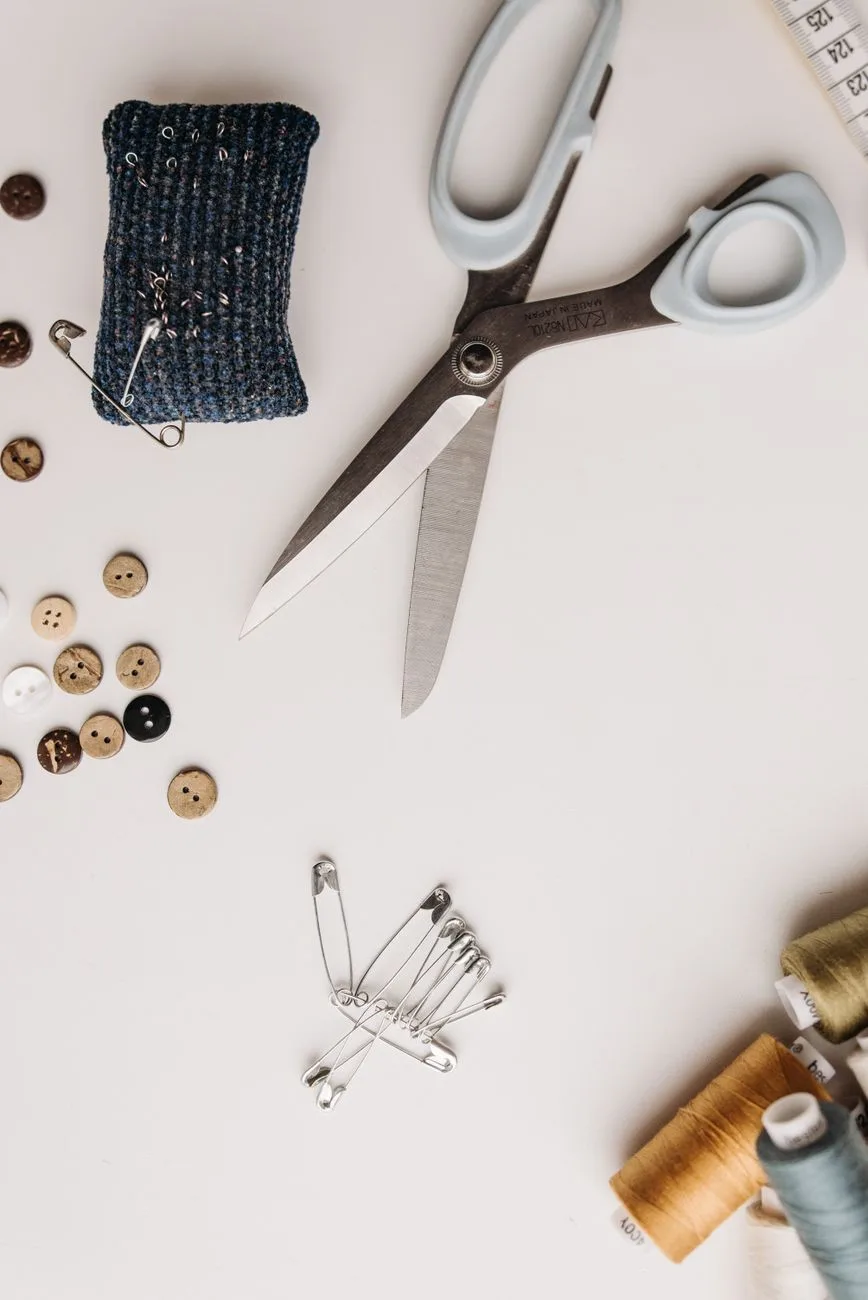
People usually start looking for Best Upcycling Sewing Kits when they want to turn old clothing, scraps, or thrift-store finds into something useful again. The best kits can support quick repairs, creative patchwork, visible mending, and small home projects without forcing you to drag out a full sewing cabinet. That matters because upcycling is rarely about one type of task. One day you may need to reattach a button, and the next you may be reinforcing a tote bag, hemming jeans, or stitching decorative patches onto denim.
The most common mistake is assuming every sewing kit serves the same purpose. A compact travel kit may be excellent for emergencies, but not much help when you are working through thicker fabrics or trying to keep a bunch of tools organized for repeated use. Buyers also tend to overlook thread variety, needle selection, case design, and how easy the kit is to access in the middle of a project. For upcycling, those details matter more than flashy extras.
Different shoppers will prioritize different things. Beginners often want something simple and forgiving, while more experienced makers may care more about stronger scissors, a broader thread selection, or better tools for heavier materials. The best overall pick here balances portability, practicality, and everyday usefulness in a way that should suit a wide range of projects.
If you are short on time, the comparison table below offers a quick way to compare the main options before diving into the full reviews.
Quick Answer
The strongest all-around choice is the Marcoon Sewing Kit Basic because it offers a useful mix of portability, thread colors, needles, buttons, and repair tools without feeling overbuilt. For shoppers who want the cheapest no-fuss backup, the Coquimbo Sewing Kit and Marcoon Portable Mini Sewing Kit are both easy to recommend. If your upcycling projects involve denim, upholstery, or heavier fabrics, the Maxfanay and PLANTIONAL Upholstery Repair Sewing Kit deserve extra attention. For buyers who want a larger, more capable organizer, the Cebelo Large Sewing Kit and YUANHANG Large Sewing Kit stand out.
Best Upcycling Sewing Kits Comparison Table
| Product | Best For | Main Strength | Key Features |
|---|---|---|---|
| Marcoon Sewing Kit Basic | Best Overall | Balanced everyday repair kit | 18 thread colors, 30 needles, scissors, tape measure |
| Coquimbo Sewing Kit | Best Budget | Simple, portable starter set | Buttons, thimble, safety pins, zipper case |
| Maxfanay Sewing Kit | Best for Heavy Use | Stronger scissors and expanded supply count | 200+ pieces, two scissors, oxford cloth bag |
| PLANTIONAL Upholstery Repair Sewing Kit | Best for Thick Fabrics | Leather and upholstery tools | Awl, leather needles, 10 thread colors |
| Marcoon Mini Sewing Kit | Best Ultra-Compact Option | Very small, easy to stash anywhere | 16 spools, pins, buttons, threaders |
| ARTIKA Sewing Kit | Best for Beginners | Easy access and solid organization | 142 pieces, clips, thread, needles, case |
| Vellostar Sewing Kit | Best for Travel | Practical mending focus | 24 thread colors, guide, durable shell |
| Cebelo Large Sewing Kit | Best Premium | Large, well-equipped set | 232 pieces, 43 thread colors, leather case |
| Sewing Project Kits Floral Pattern Sewing Kit | Best Style-Friendly Pick | Attractive case with useful basics | 130 tools, PU leather case, compact layout |
For readers who want the finer points, the reviews below explain how each kit differs in day-to-day use and which kinds of projects it handles best.
1. Best Overall: Marcoon Sewing Kit Basic

One reason the Marcoon Sewing Kit Basic rises to the top is that it stays focused on the jobs most people actually need a kit to handle. It gives you 18 colors of thread, 30 needles, buttons, a seam ripper, a needle threader, scissors, and a foldable tape measure, which is a sensible spread for mending clothes, refreshing thrifted finds, or handling quick upcycling fixes. That mix matters because upcycling often rewards flexibility more than specialization. You want a kit that can match a faded hem, secure a patch, or repair a seam without making you hunt through a cluttered box.
The case is another strength. A lot of low-cost sewing kits feel disorganized the moment you open them, but this one uses elastic bands to keep the contents in place. That makes it better suited to life on a shelf, in a drawer, or packed into a travel bag. It is also light enough to keep in a car or office drawer, which is useful if your sewing routine is more practical than ambitious. The tradeoff is that it is still a basic kit, so serious crafters working with thick materials may want more specialized tools. Even so, for general upcycling and everyday repairs, this is the most balanced option in the group.
Pros
- Well-rounded selection of tools for small repairs and upcycling jobs.
- 18 thread colors provide useful matching flexibility for visible mending.
- Compact case is easy to store in a bag, drawer, or glove compartment.
- Elastic organization keeps the contents from turning into a jumble.
- Good choice for households that want one dependable kit for common fixes.
Cons
- Not designed for heavy upholstery or thick leather projects.
- Scissors and extras are functional rather than premium.
- Experienced sewists may want a larger thread palette or sturdier accessories.
If you want one kit that does almost everything a casual upcycler is likely to ask of it, this is the safest recommendation. It is simple enough for beginners, but not so bare-bones that it feels limiting after the first few uses. Buyers who mostly need emergency mending, small alterations, or patch-and-repair work should find it especially practical. Those tackling dense denim stacks or upholstery repairs may outgrow it sooner.
To buy this product, click here.
2. Best Budget: Coquimbo Sewing Kit

The Coquimbo Sewing Kit is the one to look at if you want the lowest-friction entry point into basic sewing and upcycling. It is designed around convenience, not complexity, and that makes sense for buyers who mainly want to mend a seam, reattach a button, or keep a backup kit in a suitcase. The inclusion of thread, needles, scissors, buttons, thimbles, a measuring tape, a threader, seam ripper, and safety pins covers the essentials without asking the user to learn a big system.
It is also one of the more approachable options for beginners or gift buyers. The zippered case and elastic bands help keep things tidy, which matters more than it may sound. A lot of first-time sewers abandon a kit because the tools roll around or disappear into corners. This one is straightforward enough that a college student, traveler, or parent could use it quickly in a pinch. The limitation is obvious, though. It is a modest kit aimed at basic repairs, so it will not feel luxurious or especially robust. For visible mending on lightweight fabrics, it is fine. For more ambitious upcycling, such as rebuilding garments or working with thick materials, you will want something more capable.
Pros
- Very affordable entry point for casual sewing and quick repairs.
- Basic tools are well chosen for travel, dorm life, and emergency fixes.
- Compact zippered case makes storage simple.
- Good gift option for beginners who need a no-stress starter kit.
- Includes enough essentials to handle common wardrobe issues.
Cons
- Not built for demanding or repeated heavy-duty work.
- Tool quality is adequate, but not impressive.
- Advanced users may quickly want better scissors or a fuller supply set.
This is the kit for buyers who care most about price, portability, and basic usefulness. It is easy to recommend as a backup or first sewing purchase, especially if the main goal is keeping clothes in circulation a little longer. If you are planning substantial upcycling work, though, it is more of a starter than a long-term workhorse.
To buy this product, click here.
3. Best for Heavy Use: Maxfanay Sewing Kit

If your version of upcycling includes thicker fabrics, denim, and projects that need a little more muscle, the Maxfanay Sewing Kit has a clear advantage. Its standout feature is the more than 200-piece supply count, which includes 43 thread spools, two scissors, a seam ripper, a pin cushion, a tape measure, 30 needles, and 30 buttons. That is a substantial toolkit for a hand-sewing set, and it gives you more room to experiment with repair work, embellishment, and clothing alterations without constantly running short on the right color or accessory.
The scissors deserve special mention because they help separate this kit from simpler travel sets. The inclusion of an 8-inch fabric scissor and a smaller precision scissor makes it more appealing for tasks where clean cutting matters. The oxford cloth bag is also a practical upgrade over a floppy pouch. It is still portable, but it feels more like a kit meant to be used repeatedly rather than tucked away and forgotten. Buyers should note that the extras add bulk, so this is not the best minimalist choice for an overnight bag. But for home use, dorm storage, and more serious upcycling routines, it offers more confidence than the tiny kits at the bottom of the price ladder.
Pros
- Large, versatile supply count for more frequent sewing use.
- Two scissors make it better for both cutting fabric and doing detail work.
- Good thread variety for patching, matching, and visible mending.
- Oxford cloth bag organizes the contents more cleanly than many budget kits.
- Better suited to users who want a kit that grows with their skills.
Cons
- More expensive than basic emergency kits.
- Still not a true substitute for specialized tools in heavy upholstery work.
- Can feel a little bulky for people who want a tiny travel backup.
This is a smart pick for buyers who plan to use their kit regularly and want more room to work. It is especially appealing for denim repairs, mixed-fabric projects, and home upcycling tasks that benefit from stronger scissors and more thread choices. If your sewing is occasional and purely emergency-based, a smaller kit may be enough. If you expect to keep mending, patching, and customizing over time, this one is a strong step up.
To buy this product, click here.
4. Best for Thick Fabrics: PLANTIONAL Upholstery Repair Sewing Kit

The PLANTIONAL Upholstery Repair Sewing Kit serves a different lane than most of the others here. Rather than aiming for a general-purpose travel kit, it focuses on tougher materials like leather, car interiors, sofas, backpacks, shoes, and similar projects. That makes it especially relevant for upcycling because older furniture, worn accessories, and damaged gear often need sturdier stitching than soft clothing repairs. The assortment of leather needles, the awl, and the stronger thread selection give it the right profile for that kind of work.
It also stands out for needle variety. Upcycling projects do not always behave like straightforward seam repairs, and having blunt, pointed, triangular, and curved needles can make a real difference when you are trying to work around awkward seams or dense materials. The tradeoff is that this is a specialized kit. If your main goal is to hem trousers, repair shirts, or do beginner-friendly fabric mending, some of the upholstery-focused tools will go unused. That is not a flaw, exactly, but it does mean this is best viewed as a problem-solving kit rather than a general household sewing box. Buyers who restore bags, patch leather, or fix furniture tears are the ones most likely to appreciate what it offers.
Pros
- Excellent for leather, upholstery, and other thick materials.
- Needle variety gives it real flexibility for repair work.
- Awl and durable thread make tougher stitching more manageable.
- Useful for furniture, accessories, car interiors, and gear repairs.
- Good choice for upcyclers who work beyond clothing.
Cons
- Too specialized for buyers who only mend regular garments.
- Less useful as an all-purpose beginner kit.
- Not the best value if you will rarely touch leather or upholstery.
Buy this if your projects regularly involve challenging materials and you need tools that are built for that reality. It is not the most versatile pick in the roundup, but it is one of the most purpose-built. If your upcycling goals include reviving a couch cushion, repairing a bag, or patching a jacket with stubborn fabric, it makes far more sense than a generic mini kit.
To buy this product, click here.
5. Best Ultra-Compact Option: Marcoon Mini Sewing Kit

The Marcoon Mini Sewing Kit is a strong choice for anyone who wants a compact, no-nonsense backup for small mending jobs. Its 16 thread spools, 30 needles, buttons, pins, thimbles, threaders, measuring tape, and seam ripper cover the same basic needs most people face in day-to-day use. What makes it worth considering is the way that supply set is packaged. It is tiny enough to disappear into a suitcase, desk drawer, or car compartment, which gives it an edge for buyers who do not want sewing supplies taking up space.
This is the kind of kit that earns its keep by being there when you need it. That is particularly useful in an upcycling context, where small repairs often happen on the fly. Maybe you need to save a shirt collar, reinforce a tote bag handle, or keep a costume in shape long enough to finish a project. The tradeoff is that the kit is plainly aimed at basic repairs, so it will not satisfy users who want a more expansive creative toolkit. The materials are sensible, but the emphasis is on portability, not performance. For people who want a grab-and-go backup that can live almost anywhere, that simplicity is exactly the point.
Pros
- Extremely portable and easy to stash anywhere.
- Includes enough basic supplies for emergency mending.
- Good option for travel, cars, offices, and small living spaces.
- Thread and accessory mix is practical for quick fixes.
- Easy gift for people who want a sewing kit without clutter.
Cons
- Limited as a primary kit for ongoing projects.
- Not ideal for heavier fabrics or larger upcycling jobs.
- Small size means fewer extras than larger kits.
Choose this if your main concern is convenience and storage. It works best as a backup kit or a compact travel companion, not as the centerpiece of a sewing setup. If you are expecting to spend a lot of time upcycling garments at home, you may prefer a larger, more feature-rich option. If you just want coverage for small problems, this fits the bill neatly.
To buy this product, click here.
6. Best for Beginners: ARTIKA Sewing Kit

The ARTIKA Sewing Kit is a good fit for buyers who want their first sewing set to feel approachable rather than intimidating. With 142 pieces, it offers enough variety to cover the basics while still keeping the structure simple. You get several thread colors, needles, pins, clips, a threader, scissors, and a thimble, all stored in a travel case that is meant to keep the contents in place. That combination makes it particularly useful for people learning the habits of mending and upcycling one repair at a time.
One of its better qualities is that it does not overcomplicate the process. Beginners usually need a kit that gets out of the way and lets them start sewing. This one does that well, and the clips can be especially helpful if you are working with layered fabric or trying to keep pieces lined up during a small project. It is not the strongest pick for heavy-duty work, and advanced users may want finer tools or a more robust thread selection. But for basic garment repair, patch placement, and learning how to handle simple hand-stitching jobs, ARTIKA feels accessible without being flimsy. That balance gives it a real place in an upcycling lineup.
Pros
- Beginner-friendly layout and sensible tool selection.
- Useful mix of thread colors, clips, needles, and pins.
- Portable case keeps the kit organized for repeat use.
- Good for learning basic mending and visible repairs.
- Enough pieces to feel substantial without becoming confusing.
Cons
- Not designed for tougher upholstery or leather work.
- Scissors and accessories are practical, not premium.
- Experienced sewists may want more specialized components.
This is a sensible buy for a first-time sewer, a student, or anyone who wants a low-stress kit for learning upcycling basics. It is less compelling for people who already own better tools or who expect to work with heavy fabric. If your goal is to build confidence with simple repairs and then move into more creative projects, it is a solid place to start.
To buy this product, click here.
7. Best for Travel: Vellostar Sewing Kit

Vellostar has one of the more polished travel-oriented kits in the roundup, and its strength is how thoughtfully it organizes the essentials for actual mending use. The set includes 24 thread colors, needles, scissors, tape measure, safety pins, buttons, threaders, seam ripper, and thimbles, all kept inside a durable case with elastic bands. That makes it easy to grab the exact tool you need without rummaging through loose items, which is useful when you are in a hotel room, at a dorm desk, or preparing for a last-minute fix before heading out.
The kit is especially appealing because it tries to bridge the gap between convenience and real usability. The included 3-step guide is a nice touch for beginners, and the 100-yard polyester threads suggest a more serious approach to daily repairs than the smallest emergency kits. That said, it still sits in the portable category, so buyers looking for a larger craft setup may want more room to expand. Where it really works is in travel, work, and event prep. If you want a compact kit that feels prepared for clothing emergencies and still offers enough variety for basic upcycling, this one makes a convincing case.
Pros
- Excellent balance of portability and practical tool variety.
- 24 thread colors help with matching and visible repairs.
- Durable shell and elastic organization protect the contents well.
- Simple guide is useful for beginners who want quick wins.
- Strong choice for travelers, students, and commuters.
Cons
- Not as spacious as a larger home sewing set.
- Advanced makers may want more specialized accessories.
- Still best for light to moderate repair work rather than heavy fabric projects.
This is a great fit for someone who wants a dependable kit to live in a backpack, carry-on, or desk drawer. It is especially good for people who travel often or need a ready-made answer to wardrobe mishaps. If you are working on more ambitious upcycling projects at home, a bigger kit may suit you better. For portable readiness, though, Vellostar is one of the smarter choices here.
To buy this product, click here.
8. Best Premium: Cebelo Large Sewing Kit

The Cebelo Large Sewing Kit is the most expansive and polished-looking option in this roundup, and it is aimed at buyers who want a fuller toolkit rather than a basic backup. With 232 pieces, 43 thread colors, multiple needle sizes, stronger scissors, seam rippers, threaders, buttons, and a soft tape, it gives you enough breadth for a wide range of repair and creative tasks. That makes it attractive for people who regularly mend clothes, personalize garments, or use sewing as a practical part of home organization.
It also feels like the kind of kit that can stay relevant longer than a tiny emergency set. The premium leather case gives it a more substantial presence, and the larger supply count means you are less likely to run out of useful components right when you need them. The tradeoff is price, because this is clearly positioned above the basic kits in the lineup. Some buyers may also find that its generous feature set overlaps with tools they already own. Still, if you want a more complete package for upcycling, gifting, or keeping at home as a primary hand-sewing resource, this is the most fully equipped choice here. It is the pick for shoppers who value abundance and organization.
Pros
- Most comprehensive kit in the roundup.
- Large thread selection is helpful for matching and decorative work.
- Multiple needle sizes improve versatility.
- Premium case gives it a more substantial, gift-worthy feel.
- Strong option for people who sew often and want fewer limitations.
Cons
- More expensive than simpler kits.
- May be more than casual users actually need.
- Best value depends on whether you will use the full range of tools.
This is the kit for buyers who want to buy once and have a broad, ready-to-use sewing set on hand. It suits home users, frequent menders, and gift shoppers who want something a little more substantial than the usual mini kit. If your sewing needs are light and occasional, it may be overkill. If you want the most complete and polished package in the group, it is the standout premium choice.
To buy this product, click here.
9. Best Style-Friendly Pick: Sewing Project Kits Floral Pattern Sewing Kit

The Sewing Project Kits Floral Pattern Sewing Kit earns attention because it combines useful basics with a case that feels a little more polished than the average low-cost mending set. The 130-piece supply count includes thread spools, pins, needles, buttons, a seam ripper, measuring tape, scissors, and a threader, which is enough to handle common repair work and modest upcycling projects. For buyers who want their sewing kit to look presentable on a shelf or feel more giftable, that attention to presentation can be a genuine advantage.
Functionally, it aims at the same audience as many travel kits, but the PU leather case and printed design give it a slightly different personality. It is still compact and easy to carry, with elastic bands holding the contents in place, so it works well for backpacks, handbags, or a drawer at home. The limitation is that, despite the attractive packaging, it remains a practical basics-first kit rather than a specialized sewing system. Heavy materials and large projects will stretch it beyond its comfort zone. But for shoppers who want a visually pleasing kit that still handles emergency mending and small upcycling jobs well, it has a good mix of style and substance.
Pros
- Attractive case makes it feel more giftable and polished.
- Useful selection of essentials for everyday mending.
- Compact, lightweight, and easy to store.
- Good for people who want a kit that looks as neat as it functions.
- Works well for home, travel, and quick repairs.
Cons
- Not specialized enough for heavy-duty projects.
- Style appeal may matter more than performance for some buyers.
- Limited compared with the largest and most capable kits.
This is a sensible option for buyers who care about presentation but still want the basics covered. It is especially appealing as a gift or a visible household kit that does not look purely utilitarian. If your sewing goals involve dense fabrics or more advanced repairs, you will want a sturdier, more specialized set. For everyday mending and light upcycling, it does the job neatly.
To buy this product, click here.
How We Chose
To narrow this roundup, we focused on the qualities that matter most in real upcycling use. That meant looking closely at tool variety, thread selection, portability, case design, and whether each kit could support both quick repairs and more creative reuse projects. A kit that only works for emergency button fixes is useful, but it does not belong in a guide to upcycling if it cannot reasonably support patching, visible mending, or small refurbishing tasks.
We also weighed usability heavily. A kit can have plenty of parts and still be frustrating if the contents are loose, poorly organized, or too specialized for everyday needs. The best choices here are the ones that make sewing feel approachable. We gave extra attention to products that look practical for beginners but still have enough flexibility for repeat use. Finally, we looked for honest tradeoffs. Not every good kit needs to be huge, and not every budget kit has to pretend to do everything. The goal was to choose options that fit different shoppers, from casual users to more ambitious home menders.
Buying Guide
Choosing among the best upcycling sewing kits starts with the kind of work you actually plan to do. If your projects are mostly clothing repairs, then a balanced general kit with multiple thread colors, needles, scissors, buttons, and a seam ripper will usually serve you best. If you are more interested in transforming garments or repairing heavier materials like denim, canvas, or leather, you should pay closer attention to needle strength, thread quality, and whether the kit includes tools such as an awl or sturdier scissors. Upcycling can be simple or technical, and the right kit should match that reality instead of forcing you to buy tools you will not use.
Thread variety is one of the first things worth checking. The more colors you have, the easier it is to make invisible repairs or intentional visible stitching that looks deliberate. A small kit with a few spools can still work, but a broader selection is much more useful for mixed-fabric wardrobes and thrifted clothing. Likewise, needle assortment matters more than many first-time buyers realize. Different needle sizes make it easier to handle delicate fabrics, thicker seams, and awkward repairs without fighting the material. If your kit only includes one basic type, you may hit its limits quickly.
Case design also deserves attention. Upcycling tends to happen in stages, and a messy kit slows you down every time you return to a project. Elastic bands, zippered cases, and compartments are small details that improve the experience more than an extra plastic gadget ever will. Portability matters too, but not in the same way for everyone. Someone sewing at home may care most about storage, while a traveler or student may want a kit that disappears into a backpack. Before buying, think about where the kit will live most of the time and whether you need it to move with you.
Finally, be honest about your own skill level. Beginners should look for kits that are easy to open, easy to understand, and not overloaded with obscure accessories. More experienced users may prefer a larger set with better scissors and a wider mix of supplies. In upcycling, confidence matters. A kit that makes the process feel manageable is often more valuable than one that simply has the longest ingredient list.
Best Upcycling Sewing Kits FAQ
What Should I Look For In An Upcycling Sewing Kit?
Focus on thread variety, needle assortment, a seam ripper, good scissors, and a case that keeps everything organized. For upcycling, it helps if the kit can handle both repairs and decorative work, because many projects involve a mix of practical stitching and visible finishing.
Can A Basic Sewing Kit Handle Upcycling Projects?
Yes, if your projects are light to moderate. A simple kit can handle button replacement, seam repair, patch placement, and visible mending on many garments. For thicker fabrics, upholstery, or more ambitious transformations, you will usually want a larger or more specialized kit.
Are Travel Sewing Kits Good For Beginners?
They can be. Many travel kits are actually ideal for beginners because they keep the tool set manageable and easy to understand. The main drawback is that some compact kits are too limited for regular use, so beginners who expect to sew often may want a larger set.
Do I Need A Kit With Many Thread Colors?
Not always, but more colors make upcycling easier. A larger thread selection helps you match fabric more closely and makes visible repairs look more intentional. If you plan to work on a lot of different garments, extra colors are worth having.
What Kind Of Kit Is Best For Denim Or Heavy Fabric?
Look for stronger scissors, durable thread, and a wider range of needle types. Kits with an awl or upholstery-oriented tools are better suited to denim, canvas, leather, and similar materials. Basic mini kits often struggle once the fabric gets thick.
Is A Large Sewing Kit Worth The Extra Money?
It can be, if you sew often or want one kit to cover many situations. Larger kits usually offer more threads, more needles, and better organization. If you only need emergency repairs now and then, a smaller kit is usually enough and easier to store.
Can These Kits Be Used For Crafting As Well As Repairs?
Yes. Upcycling often overlaps with crafting, especially when you are adding patches, decorative stitches, or handmade details to clothing and accessories. A kit with thread variety, pins, and decent organization will usually be the most versatile for both purposes.
Final Verdict
The best all-around choice in this roundup is the Marcoon Sewing Kit Basic. It strikes the right balance between usefulness, portability, and price-conscious practicality, which is exactly what most upcyclers need from a hand-sewing kit. If you want something even cheaper for occasional fixes, the Coquimbo Sewing Kit and the Marcoon Mini Sewing Kit are easy to justify. If your projects are more demanding, the Maxfanay Sewing Kit gives you more room to work, while the PLANTIONAL Upholstery Repair Sewing Kit is the clear specialist pick for leather and upholstery.
The larger kits, especially Cebelo and YUANHANG, are worth considering if you want a more complete home sewing resource rather than a bare-bones emergency pack. In the end, the right choice depends on the kind of upcycling you actually do. A traveler, a beginner, a student, and a hobbyist patching denim on weekends will not need the same setup. The smartest buy is the one that fits your materials, your storage space, and how often you expect to sew. If you match the kit to the work, you will get far more value from it over time than you would from the biggest box on the shelf.

Leave a Reply