
Choosing the right sewing interfacing can make the difference between a project that looks polished and one that collapses at the seams, quite literally. Buyers usually start looking for interfacing when a collar needs more body, a waistband needs support, or a quilt block needs to hold its shape. The mistake many people make is treating all interfacing as interchangeable. In practice, the right choice depends on fabric weight, drape, stretch, and how much structure you actually want to add.
Some sewists want a crisp finish for shirts and bags. Others need something softer that preserves the flow of a blouse or lightweight dress. A few projects call for a wide roll that can cover repeated garment work, while others only need a modest length for occasional repairs or craft details. The best sewing interfacing for your work is the one that matches the fabric and the project, not just the one with the biggest roll or the lowest price. Among the options here, the PLANTIONAL medium weight roll stands out as the most balanced all-around pick for versatility and everyday use.
If you are short on time, the comparison table below gives a quick overview of the leading options, and you can jump straight to any review that interests you.
Best Sewing Interfacing Comparison Table
| Product | Best For | Main Strength | Size |
|---|---|---|---|
| PLANTIONAL Medium Weight White Iron-On Non-Woven Fusible Interfacing | All-around sewing and craft use | Balanced structure, easy ironing, broad project range | 11.6 in x 30 yd |
| Medium Weight Interfacing Fabric for Sewing | Budget-conscious shoppers | Practical medium-weight support with instructions included | 11.6 in x 30 yd |
| Pellon Fusible Interfacing | Small projects and softer finishes | Gentle structure with good drape | 15 in x 3 yd |
| PLANTIONAL Medium Weight White Iron-On Non-Woven Fusible Interfacing, 16.5″ x 30yds | Large projects and wider cuts | Wider roll for garment and home décor work | 16.5 in x 30 yd |
| ZOMONETI Light Weight 17in x 30yd White Iron On Non-Woven Fusible Interfacing | Light support with broad coverage | Extra width and breathable feel | 17 in x 30 yd |
| Pellon PELSF101.601YD Shape-Flex 100% Cotton Wht | Cotton projects needing natural hand | 100% cotton construction for a familiar sewing feel | 1 yd roll |
| UzecPk Medium Weight Fusible Interfacing for Sewing | Multi-color and multi-material projects | Available in several colors and widths | 12 in x 30 yd |
| Light Weight Fusible Interfacing for Sewing | Lightweight garments and delicate drape | Thin profile that keeps fabric soft | 11.6 in x 30 yd |
| Lightweight Iron-On Fusible Interfacing for Sewing | Quick tailoring and small workspaces | Compact package with useful general-purpose sizing | 39 x 78 in |
For readers who want more detail, the reviews below explain how each option behaves in real sewing projects and where its tradeoffs matter most.
Best Sewing Interfacing Reviews
1. Best Overall: PLANTIONAL Medium Weight White Iron-On Non-Woven Fusible Interfacing

This PLANTIONAL roll earns the top spot because it sits in the sweet spot that many sewists are looking for. It offers medium-weight support without feeling overly stiff, and that makes it useful for shirts, collars, cuffs, small bags, and plenty of general craft work. The 11.6-inch width is practical for garment pieces, while the 30-yard length means you do not have to keep replacing it after a handful of projects. That combination makes it feel like a workhorse rather than a specialty purchase.
The adhesive is heat-activated, so application is straightforward if you use the right iron settings and press instead of sliding. It is the kind of interfacing that should appeal to beginners who want a dependable starting point, but it is also sensible for experienced sewists who want a reliable roll in the studio. Because it is white and non-woven, it works especially well under light fabrics where you do not want dark bleed-through or an overly textured finish. The main appeal here is versatility. If you want one roll that can handle a broad spread of sewing and craft projects, this is the safest bet in the group.
Pros
- Balanced medium weight that works for many garment and craft applications.
- Generous 30-yard roll offers strong value for frequent sewing.
- White color is a practical choice for light fabrics and clean finishes.
- Heat-activated adhesive simplifies the fusible application process.
- Good choice for collars, cuffs, facings, and general reinforcement.
Cons
- May be too firm for very soft, drapey garments.
- Only one width option, so very wide pattern pieces may need planning.
- Best results depend on careful pressing, which is true of most fusibles.
If you sew a little bit of everything, this is the easiest recommendation to make. It is broad enough for everyday use, stable enough for structural work, and not so specialized that it becomes a one-project solution. Shoppers making shirts, children’s clothes, craft items, or home accents will get a lot out of it. Those making fine silk blouses or extremely delicate garments may want something lighter, but for most home-sewing needs, this is the most practical all-round pick.
To buy this product, click here.
2. Best Budget: Medium Weight Interfacing Fabric for Sewing

For shoppers watching their spending, this medium weight option makes a strong case. It is positioned as a general-purpose fusible roll, but what helps it stand out is the combination of a long 30-yard length and an approachable price point. That makes it attractive for beginners who are still experimenting with collars, shirt plackets, and quilting pieces, as well as more experienced sewists who know they will use interfacing often enough to justify buying in bulk. The included instructions are a useful detail too, especially for people who are new to fusibles and want some guidance before touching fabric with an iron.
In use, this one is aimed at the same broad sewing territory as more established alternatives. It is designed to add structure without too much bulk, and the white color helps it stay discreet under lighter fabrics. The seller’s claims about compatibility across a wide range of materials are ambitious, but the real value here is the combination of everyday utility and low entry cost. If you need a dependable roll for recurring projects and do not want to overspend, this is one of the most reasonable places to start.
Pros
- Budget-friendly compared with many wide-roll alternatives.
- Long 30-yard roll makes it useful for repeated sewing projects.
- Instruction sheet helps first-time users get started more confidently.
- Medium weight is versatile for garments, quilting, and home décor.
- White color blends well with lighter fabrics.
Cons
- Less established brand recognition than some longtime sewing names.
- May feel generic if you want a more tailored specialty interfacing.
- Not ideal if you need a softer hand than medium weight can provide.
This is a smart buy for anyone who wants practical value rather than a premium label. It makes the most sense for crafters, hobby sewists, and anyone stocking a sewing room on a budget. If your projects are mostly garments with standard structure needs, it should do the job well. If you are working on heirloom pieces or highly delicate fabrics, a more specific interfacing may be worth the upgrade.
To buy this product, click here.
3. Best For Small Projects: Pellon Fusible Interfacing

Pellon has long been a familiar name in sewing rooms, and this lightweight roll fits the profile of a classic utility product. The smaller 3-yard package makes it better suited to occasional sewists, small projects, or anyone who wants to test an interfacing before committing to a much larger roll. Its biggest strength is the softer hand. Rather than forcing a lot of structure into the fabric, it adds gentle support, which is exactly what you want for collars, facings, and light apparel details that still need movement.
Because it is fusible and lightweight, it is one of the more approachable choices for garments that should not feel stiff or boardy. It can be a good match for lighter wovens and some knits, depending on the design and the amount of stabilization needed. The shorter length also makes storage easy, which matters if your sewing supplies already crowd a drawer or bin. This is not the roll for big production-style projects, but it is a dependable option when you value softness, control, and a lower total commitment.
Pros
- Lightweight support preserves drape better than medium-weight rolls.
- Small 3-yard pack is ideal for limited-use or test projects.
- Trusted Pellon branding will reassure many sewists.
- Good for collars, facings, small accessories, and light craft work.
- Compact size is easy to store in a sewing cabinet or basket.
Cons
- Not cost-efficient for frequent or high-volume sewing.
- Smaller roll limits what you can do with larger pattern pieces.
- Too light for projects that need strong structure or rigidity.
Choose this if you want a gentle interfacing for smaller sewing jobs, especially those where preserving softness matters more than adding backbone. It is a sensible pick for beginners with simple garment alterations and for experienced sewists who only need interfacing occasionally. If you are outfitting a whole sewing room or making bags and structured garments in bulk, a larger roll will be better value.
To buy this product, click here.
4. Best For Large Projects: PLANTIONAL Medium Weight White Iron-On Non-Woven Fusible Interfacing, 16.5″ x 30yds

This wider PLANTIONAL roll is a strong fit for sewists who want the same general medium-weight behavior as the top pick, but with more width for larger pattern pieces. At 16.5 inches wide, it becomes easier to cut into broader sections for garments, home décor, and quilting applications without having to splice or piece as often. That can save time and reduce frustration, especially if you are working with repeated large cuts. The 30-yard length also makes it appealing for anyone who sews often enough to need bulk coverage.
The tradeoff is simple. You pay more than the narrower version, so this makes the most sense when the added width will genuinely get used. For a sewing room that handles jackets, bags, home décor projects, or larger garment components, that extra width can be worth it. It still keeps the same soft-but-sturdy non-woven character and the easy fusible application that home sewists usually want. If your projects tend to run larger than average, this one reduces the amount of patchwork improvising you need to do at the cutting table.
Pros
- Wider 16.5-inch roll is helpful for larger pattern pieces.
- Maintains a medium-weight balance between structure and flexibility.
- Useful for garments, quilting, and home décor applications.
- Long 30-yard roll supports frequent sewing without constant reordering.
- White finish works well with light-colored fabrics.
Cons
- Costs more than narrower alternatives.
- May be unnecessary for sewists who mostly work on small items.
- Still not the softest option for very fluid fabrics.
This is the one to choose if width matters as much as weight. It suits people sewing outerwear accents, larger facings, tote-style projects, and household items where broad coverage is easier than piecing. If your work leans toward small collars and quick mending, you will probably not need to spend extra on the wider format. But for a serious maker, the convenience is real.
To buy this product, click here.
5. Best For Breathability: ZOMONETI Light Weight 17in x 30yd White Iron On Non-Woven Fusible Interfacing
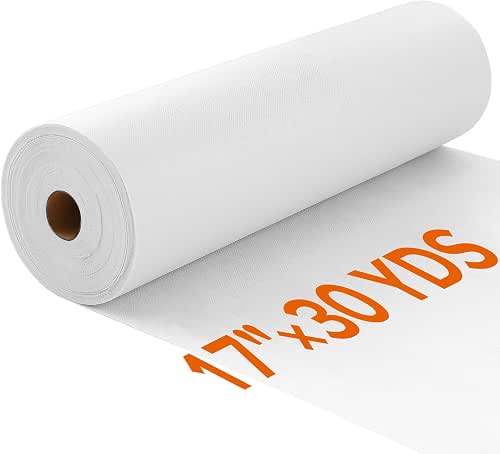
ZOMONETI aims at sewists who want light support without losing too much softness or airflow. The lighter weight and slightly broader 17-inch width make this roll appealing for garments, bags, and accessories where you want structure but not stiffness. It is especially practical for projects that must still feel comfortable against the body, such as shirts, collars, cuffs, and waistbands. The company emphasizes breathability, and while interfacing is never going to behave like a woven fashion fabric, the lightweight construction does suggest a less bulky feel than heavier fusible options.
This is a useful choice for medium to large projects, and the 30-yard length means it can live in a sewing room for quite a while. The fact that it is white helps it blend into lighter fabrics more cleanly. Shoppers who regularly work with blouses, shirts, or soft structured garments may appreciate that it adds support without overpowering the original drape. It is not the obvious pick for a crisp bag body or a very firm waistband, but it should serve well when the goal is quiet reinforcement rather than a dramatic change in shape.
Pros
- Lightweight feel helps preserve garment comfort and drape.
- 17-inch width offers generous coverage for larger pieces.
- Good option for collars, cuffs, waistbands, and shirt plackets.
- Long 30-yard roll is practical for frequent sewing.
- Designed to add support without obvious bulk.
Cons
- May be too soft for projects needing crisp structure.
- Less suited to heavy-duty bag work than a firmer interfacing.
- Higher price than some narrower competitors.
This is a solid choice for sewists who prioritize comfort and a natural finish. It is especially appealing for clothing projects where too much stiffness would be noticeable. If you are making structured accessories or need pronounced firmness, you may want a medium-weight option instead. But if your goal is subtle reinforcement, this is one of the better-balanced lightweight choices here.
To buy this product, click here.
6. Best Cotton Option: Pellon PELSF101.601YD Shape-Flex 100% Cotton Wht

This Pellon Shape-Flex listing stands out because it is a 100% cotton option, which will appeal to sewists who prefer a more natural fiber feel in their garment making. That matters in projects where the interfacing is expected to behave more like fabric and less like a synthetic insert. Cotton interfacing can be especially appealing for those working on cotton shirts, heirloom sewing, and projects where touch, breathability, and compatibility with natural fabrics are high priorities. It is not the most expansive roll in the lineup, but it has a place because it speaks to a specific set of sewing preferences.
One practical advantage of cotton interfacing is that it can feel more predictable to experienced sewists who know exactly how they want a garment to hang. It is also a sensible choice for people who prefer to keep fiber content consistent across a project. The drawback is that the product information here is sparse, so buyers are relying more on the reputation of the line than on a long feature list. That makes it more niche than the larger general-purpose rolls, but for the right project, it can be the most satisfying choice.
Pros
- 100% cotton construction is appealing for natural-fiber projects.
- Useful when you want interfacing that feels more fabric-like.
- Good match for cotton garments and classic sewing applications.
- Trusted Pellon name gives it credibility in sewing circles.
- Well suited to sewists who care about fiber consistency.
Cons
- Feature information is limited compared with other options.
- Not as versatile on paper as broader medium-weight fusibles.
- May not be the best value for buyers who want large bulk rolls.
This is the right pick if you are aiming for a more traditional sewing feel and you know cotton interfacing fits your workflow. It makes the most sense for garment sewists, quilters, and anyone doing natural-fiber projects where a synthetic fusible is not the preferred answer. If you mainly want the most convenient all-purpose roll, the top two picks are easier buys.
To buy this product, click here.
7. Best Color Variety: UzecPk Medium Weight Fusible Interfacing for Sewing

UzecPk earns attention by offering more color flexibility than most of the other rolls here. That may sound like a small detail, but for sewists who work across dark, light, and midtone fabrics, color can matter more than expected. The availability of white, black, and grey gives this product a practical edge for matching fabric tones more discreetly. Beyond that, it is a medium-weight non-woven fusible with the familiar promise of easy cutting, easy ironing, and dependable support for common sewing tasks.
The 12-inch width is slightly different from the standard 11.6-inch rolls, though in practical terms the difference is modest. What matters more is the broad application range, from cotton and linen to denim and polyester. That makes it useful for shirts, bags, belts, pockets, and patchwork. If you want a roll that can move across multiple fabric colors without always looking mismatched, this one is a surprisingly practical choice. It is not the most iconic brand in the set, but its color options and everyday utility make it easy to justify.
Pros
- Available in white, black, and grey for better color matching.
- Medium-weight support suits many garment and craft projects.
- Works across a wide range of common fabrics.
- Multiple size options add flexibility for different workspaces.
- Reasonable choice for appliqué, patchwork, and bag components.
Cons
- Brand is less established than some better-known sewing names.
- Width is ordinary, so very large cuts may still be limiting.
- Color variety helps, but it does not replace project-specific testing.
Buy this if you often sew across fabric colors and want a roll that feels more adaptable than white-only options. It is especially handy for mixed-color work, modern quilts, and projects where a black or grey interfacing may be the more discreet choice. If you are only making light-colored garments, the extra color options may not be essential, but they do make this roll more versatile than it first appears.
To buy this product, click here.
8. Best Lightweight Everyday Pick: Light Weight Fusible Interfacing for Sewing
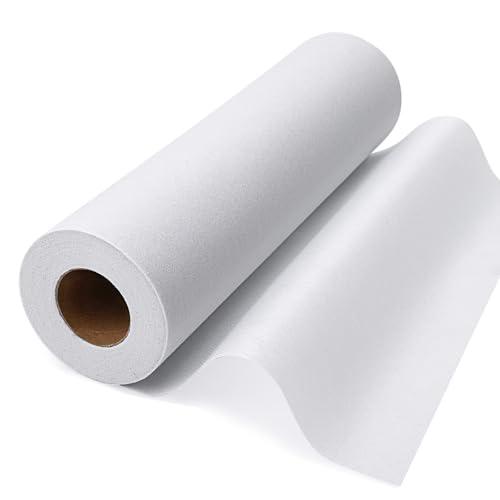
This lightweight roll is built for sewists who want reinforcement that stays out of the way. Compared with medium-weight interfacing, it is better at preserving the natural movement of the base fabric, which is useful in dresses, blouses, shirt collars, and other clothing where you do not want the added layer to dominate the final feel. The inclusion of instructions is a practical bonus, especially for users who may be learning how much heat, pressure, and time to use during application.
Its appeal is rooted in balance. It is thin enough to avoid unnecessary bulk, yet it still provides enough support for high-stress areas like cuffs and collars. The white color also makes it easier to use with pale fabrics, where darker interfacing would be more noticeable. If you are building a sewing kit around one lightweight option for everyday use, this one makes sense. It will not replace a firmer interfacing when structure is the whole point, but it should serve well where subtle reinforcement is the real goal.
Pros
- Thin profile helps preserve the drape of softer fabrics.
- Useful for collars, cuffs, and other high-stress garment areas.
- Instruction sheet can help less experienced sewists.
- 30-yard roll provides strong value for regular projects.
- White finish blends neatly under light fabrics.
Cons
- Too light for projects that need firmer body.
- Not the best choice for structured bags or heavy support.
- May require a little testing to dial in the right application.
This is the option to choose when you want your interfacing to be felt less than seen. It is especially fitting for garment makers who work on blouses, dresses, and tailored accents that should keep a soft hand. Buyers who need a more pronounced shape should move up to one of the medium-weight options. But for light reinforcement, it is a sensible and affordable everyday solution.
To buy this product, click here.
9. Best Compact Option: Lightweight Iron-On Fusible Interfacing for Sewing

This lightweight interfacing is a practical choice for sewists who prefer a compact package rather than a long bulk roll. The 39 x 78 inch size is easy to manage, especially if you are working in a smaller sewing area or you only need interfacing for a handful of targeted projects. Because it is lightweight, it is designed to reinforce shape without overwhelming the fabric. That makes it a solid pick for tailoring, dressmaking, embroidery, appliqué, and small accessories where finesse matters more than strength.
The product description is plain, but the use case is clear. It is meant for jobs where the fabric needs help retaining its form, not for building rigid structure. That places it in the same general neighborhood as the other lightweight choices, but its compact packaging may suit occasional sewists better than a huge roll. If you do not want to store a 30-yard tube and you only need a controlled amount of fusible material, this is a straightforward buy. It is especially sensible for repair work and smaller creative projects.
Pros
- Compact size is easy to store and manage.
- Lightweight feel works well for subtle reinforcement.
- Useful for tailoring, dressmaking, and small craft work.
- Machine washable, which is important for garment projects.
- Affordable entry point for occasional sewing needs.
Cons
- Smaller overall format than the larger roll options.
- Not ideal for sewists who burn through interfacing quickly.
- Limited product detail compared with more established listings.
Choose this if your sewing is occasional, your workspace is tight, or you simply prefer buying only what you need. It is less compelling for heavy-duty garment production, but it can be a convenient answer for repairs, buttons, collars, and other small tasks. For compact storage and simple utility, it does the job without much fuss.
To buy this product, click here.
How We Chose
The goal in this roundup was to focus on interfacing that solves real sewing problems, not just products that fill a search result page. That meant prioritizing rolls and cuts with clear weight descriptions, usable dimensions, and practical application details such as fusible backing, width, and fabric compatibility. We also looked for options that cover different use cases, from light drape-preserving support to broader medium-weight reinforcement for garments and crafts.
Value mattered, but not in isolation. A lower price does not help much if the roll is too small, too stiff, or too vague for typical sewing work. Likewise, a large roll only becomes a good deal if it actually suits the kinds of projects a home sewist is likely to tackle. For that reason, the list mixes all-purpose choices with more specific picks for small projects, wide cuts, lighter garments, and natural-fiber sewing.
Another important factor was usability. Interfacing can be frustrating if the adhesive behavior is unclear or the roll is awkward to cut and store. Products that included instructions, realistic project suggestions, or sensible sizing got extra consideration because they are easier to recommend with confidence. Finally, we favored options that fit common sewing needs in the Crafts & Sewing category, including clothing reinforcement, quilting, bag making, and home décor work.
Buying Guide
When shopping for sewing interfacing, the first decision is usually weight. Lightweight interfacing is better when you want to preserve softness, movement, and drape. It is a smart choice for blouses, dresses, and delicate details such as collar stands or facings. Medium-weight interfacing adds more body and support, which makes it more useful for shirt collars, cuffs, plackets, waistbands, and many bag-making projects. If you choose too heavy a product for a fluid fabric, the finished piece can feel stiff or even awkward. Choose too light a product for a structured project, and the garment may lose shape too quickly.
Width is another detail that affects everyday usability. Narrower rolls can be fine for collars, cuffs, and small craft pieces, but wider rolls are easier for larger garment panels or home décor work. If you frequently sew jackets, tote bags, or quilting projects, a wider roll can save time and reduce piecing. If your work is mostly small alterations or occasional repairs, a compact roll may be the more sensible buy because it takes less storage space and costs less up front.
It is also worth paying attention to fabric compatibility. Some interfacing is designed to stay nearly invisible under light fabrics, while other options are better suited to denim, cotton, or mixed materials. White interfacing is the safer choice for pale fabrics, while black or grey can be useful on darker projects. If you sew across many fabric types, versatility matters. If you mostly work in one fabric family, matching that family with the right interfacing can improve the final result more than simply picking the most popular roll.
Finally, think about the kind of sewing you do most often. Quilters may care more about stability without bulk. Garment sewists may want drape and washability. Bag makers often look for firmer support and larger cuts. The best sewing interfacing is not the one with the most features on paper. It is the one that helps your fabric behave the way you want once the project is finished.
Frequently Asked Questions
What Is Sewing Interfacing Used For?
Sewing interfacing adds support, structure, and stability to fabric. It is commonly used in collars, cuffs, waistbands, facings, button plackets, bags, and certain quilted or craft pieces. The goal is to help fabric hold its shape without changing the appearance too much.
What Is The Difference Between Lightweight And Medium-Weight Interfacing?
Lightweight interfacing is softer and better for preserving drape. Medium-weight interfacing gives more structure and is better when you need a firmer, more defined finish. The right choice depends on the fabric and the role the finished piece needs to play.
Can I Use Fusible Interfacing On Any Fabric?
Not always. Most fusible interfacing works on common woven fabrics, but delicate textiles, heat-sensitive materials, and some stretch fabrics may require more caution. Always test a scrap first, especially if you are working with silk, synthetics, or specialty fabrics.
Is White Interfacing Better Than Black Interfacing?
Neither is universally better. White interfacing is usually best for light fabrics because it is less likely to show through. Black or grey can be more discreet under darker fabrics. The best choice is the one that blends most naturally with your material.
How Do I Prevent Fusible Interfacing From Bubbling?
Use the correct iron temperature, press rather than slide, and follow the manufacturer’s instructions. It also helps to use a pressing cloth and apply even pressure for long enough to activate the adhesive fully. Bubbling often happens when heat or pressure is inconsistent.
Do I Need Different Interfacing For Quilting And Garment Sewing?
Often, yes. Quilting may call for a different balance of structure and softness than garments do. Clothing usually needs better drape and comfort, while quilting and craft projects may prioritize stability. A versatile medium-weight roll can work for many jobs, but specialized projects may benefit from a more specific product.
Is A Bigger Roll Always A Better Deal?
Not necessarily. A larger roll is only a bargain if you will actually use it. If you sew often, bulk can save money over time. If you only need interfacing occasionally, a smaller roll may be smarter because it takes less storage and keeps waste down.
What Should Beginners Look For First?
Beginners should look for clear weight labeling, easy fusible application, and a roll size that fits likely projects. A medium-weight all-purpose option is often the easiest starting point because it handles a wide range of tasks without being overly technical.
Final Verdict
The best sewing interfacing for most buyers in this roundup is the PLANTIONAL Medium Weight White Iron-On Non-Woven Fusible Interfacing. It offers the most balanced mix of structure, usability, and overall versatility, which is exactly what many home sewists need from an everyday roll. If you want a broader cut, the wider PLANTIONAL version is a smart upgrade for larger projects. If you need to keep costs down, the budget medium-weight roll is a sensible choice, while the Pellon lightweight option is better for smaller jobs that call for a softer finish.
The best advice is to match the interfacing to the fabric and the project rather than chasing the biggest roll or the heaviest support. Shirts, cuffs, and collars usually benefit from different treatment than bags or home décor pieces, and delicate fabrics need a lighter touch than canvas or denim. If you are building a sewing room from scratch, start with one reliable medium-weight roll and one lighter option. That combination will cover a surprising amount of ground and will keep you from forcing the wrong interfacing into the wrong project.
Leave a Reply