
The OION Technologies B-1000 Ionic Air Purifier is a cost-effective and environmentally friendly air purification solution. It features ultra-low energy consumption of just 7.5W and eliminates the need for costly filter replacements, making it both economical and sustainable. The purifier is designed to reduce odors in occupied spaces through its carbon filtration and ozone power (O3) of less than 0.05 ppm. It operates quietly with a whisper-quiet purification fan and includes a night light for added convenience.
The B-1000 employs negative ion output and UVGI technology to enhance air quality. It is certified by the California Air Resources Board (CARB) and the EPA, ensuring its safety and effectiveness. The internal carbon filter effectively absorbs smoke and pet odors, with replacement filters available at an economical price. The filter’s lifespan ranges from 6-12 months, depending on usage. Additionally, the air purifier features a large, electrostatically charged metal filter that remains clog-free and can be easily wiped clean to maintain performance. Unlike most air purifiers that rely on HEPA filters, the B-1000 avoids the issue of filter clogging by thirdhand smoke, ensuring long-lasting effectiveness. If you’re comparing ionic purification with traditional HEPA-based systems, our Ultimate Air Purifier Buying Guide (2026) explains the key differences in filtration methods, ozone considerations, and real-world performance expectations.
Pros:
- Effective Smoke Odor Removal: Users report a dramatic reduction in smoke smells, particularly from cigarettes, even in rooms without ventilation. The purifier effectively eliminates stale smoke odors, making it ideal for smokers or those living with smokers.
- Efficient Air Quality Improvement: The purifier has shown significant improvement in air quality, reducing dust, allergens, and phlegm in users’ throats. It works well in large spaces, including living rooms, kitchens, and bedrooms, even in homes with pets.
- Easy Maintenance: The metal filter is easy to clean, with some users cleaning it as frequently as once a week to maintain optimal performance. The filter can be wiped clean with a soft toothbrush and dish soap, making it convenient and cost-effective.
- Quiet Operation: The purifier operates quietly, making it suitable for use in bedrooms and other quiet spaces. Users appreciate the whisper-quiet fan and the ability to shut off the lights for uninterrupted sleep.
- Longevity and Durability: Some users report using the purifier continuously for up to 7 years, indicating its durability and long-term effectiveness.
- UV Light for Additional Purification: The UV light feature is praised for its ability to eliminate odors, particularly in small spaces like wardrobes, enhancing the overall freshness of the environment.
- Cost-Effective: The purifier is considered a great value for the money, with no need for expensive paper replacement filters. The initial investment and ongoing maintenance costs are relatively low compared to other air purifiers.
- Compact and Space-Saving Design: The tower design of the purifier is appreciated for its minimal footprint, making it easy to place in various rooms without taking up too much space.
- Neutralizes Pet Odors: Users with pets have noticed a significant reduction in pet-related odors, contributing to a fresher and more pleasant living environment.
- Mold and Mustiness Elimination: The purifier is effective in combating moldy and musty smells, particularly in older homes or damp environments, improving the overall air quality and comfort.
- Simple Operation: The purifier is easy to use, with straightforward controls and a low-maintenance design that appeals to users looking for a hassle-free air purification solution.
Cons:
- Plastic Construction: The plastic body of the purifier is perceived as cheap by some users, who would prefer a more stylish or durable design.
- Blue Light Feature: While the blue light is considered soothing by some, it can be disruptive in a bedroom setting, especially for light-sensitive sleepers.
- Filter Replacement: Although the filter is easy to clean, it does need to be replaced approximately every 6 months, which could be inconvenient for some users.
- Limited Coverage Area: While effective in smaller spaces, the purifier may not be as efficient in larger rooms or open-concept areas, requiring multiple units for full coverage.
FAQs – OION Technologies B-1000 Ionic Air Purifier
1. Does the OION B-1000 use a HEPA filter?
No. The B-1000 does not use a traditional HEPA filter. Instead, it relies on:
-
Negative ion output
-
An electrostatic metal collection filter
-
Activated carbon filtration
-
UVGI (Ultraviolet Germicidal Irradiation) technology
This design eliminates the need for bulky paper HEPA filters, reducing ongoing filter replacement costs. However, it may not capture fine particulate matter as effectively as certified True HEPA systems.
2. Does the OION B-1000 produce ozone?
The unit produces ozone at levels below 0.05 ppm, which complies with California Air Resources Board (CARB) safety standards. While this level is considered safe under regulatory guidelines, individuals with asthma or high ozone sensitivity may prefer mechanical HEPA filtration systems that produce no ozone.
3. Is this purifier effective for cigarette smoke?
Many users report noticeable improvements in cigarette smoke odor reduction. The combination of negative ionization, UV light, and activated carbon helps reduce stale smoke smells. However, it primarily addresses odors and suspended particles rather than completely removing all fine combustion particles the way a HEPA purifier would.
4. How large of a room can it cover?
The OION B-1000 performs best in small to medium-sized rooms, such as bedrooms, offices, or enclosed living spaces. In larger or open-concept areas, airflow strength may not be sufficient for rapid air exchange, and multiple units may be required for full coverage.
5. How often does the carbon filter need to be replaced?
The internal carbon filter typically lasts 6–12 months, depending on usage and exposure to odors or smoke. Replacement filters are relatively affordable compared to HEPA systems.
6. Does the metal filter need replacement?
No. The electrostatic metal filter is reusable and can be cleaned regularly. Many users wipe it down weekly or biweekly to maintain performance. Proper cleaning helps sustain ion collection efficiency.
7. Is the OION B-1000 suitable for allergy sufferers?
It may help reduce airborne irritants and odors, but it is not a medical-grade HEPA system. For individuals with severe allergies or respiratory conditions, a certified H13 HEPA air purifier may offer more consistent fine-particle filtration.
(see more details and availability)
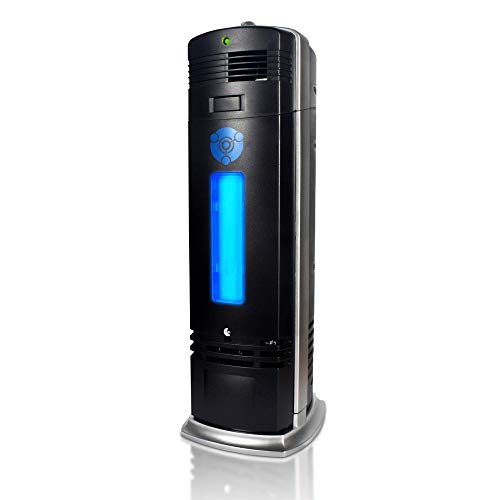
The OION Technologies B-1000 Ionic Air Purifier occupies a unique position in the air purification market. Rather than relying on traditional HEPA-based mechanical filtration, it adopts an ionic and electrostatic approach designed to reduce odors, suspended particles, and airborne irritants with minimal energy consumption and low maintenance requirements.
For users primarily concerned with smoke smells, pet odors, mustiness, or general air freshness in smaller enclosed spaces, the B-1000 delivers noticeable improvement at a relatively modest upfront cost. Its reusable metal filter, ultra-low 7.5W energy draw, and quiet operation make it especially appealing to those seeking a budget-friendly, long-term solution without recurring HEPA filter expenses.
However, it’s important to align expectations with its design philosophy. The B-1000 is not engineered to compete with high-CADR, medical-grade HEPA purifiers for large-room particulate removal. In open spaces or for individuals with severe allergies, traditional mechanical filtration systems may provide stronger fine-particle capture. Additionally, while ozone output remains within regulated safety limits, ozone-sensitive individuals may prefer non-ionizing alternatives.
When matched appropriately to room size and user needs, the OION B-1000 can serve as a practical and economical air-refreshing solution. Its strengths lie in odor control, low maintenance, and energy efficiency rather than maximum airflow performance. For buyers who value simplicity, affordability, and quiet operation in smaller living areas, it remains a viable option worth considering.